Blue Collar Brotherhood
By Hank
The first time a guy on a job site called me “brother,” I figured he was talking to somebody behind me.
I looked over my shoulder. Nobody there.
“Yeah, you,” he said. “Give me a hand with this?”
So I did.
Nothing special happened. We moved what needed moving. He thanked me. We went back to work.
But I remember it fifteen years later.
I’m Hank. I’m 44, white, a union electrician in Pittsburgh, and a trans man. Most of the guys I work with know the first three things. Very few know the fourth.
I’ve been stealth on job sites for fifteen years. That means I’m not out as trans at work. It doesn’t mean I spend every shift inventing stories or studying how men stand. Mostly, it means I go to work, do my job, complain about the same things everybody else complains about, and go home.
Some days, it’s that simple.
Other days, somebody says something, and I get quiet.
Earning My Place
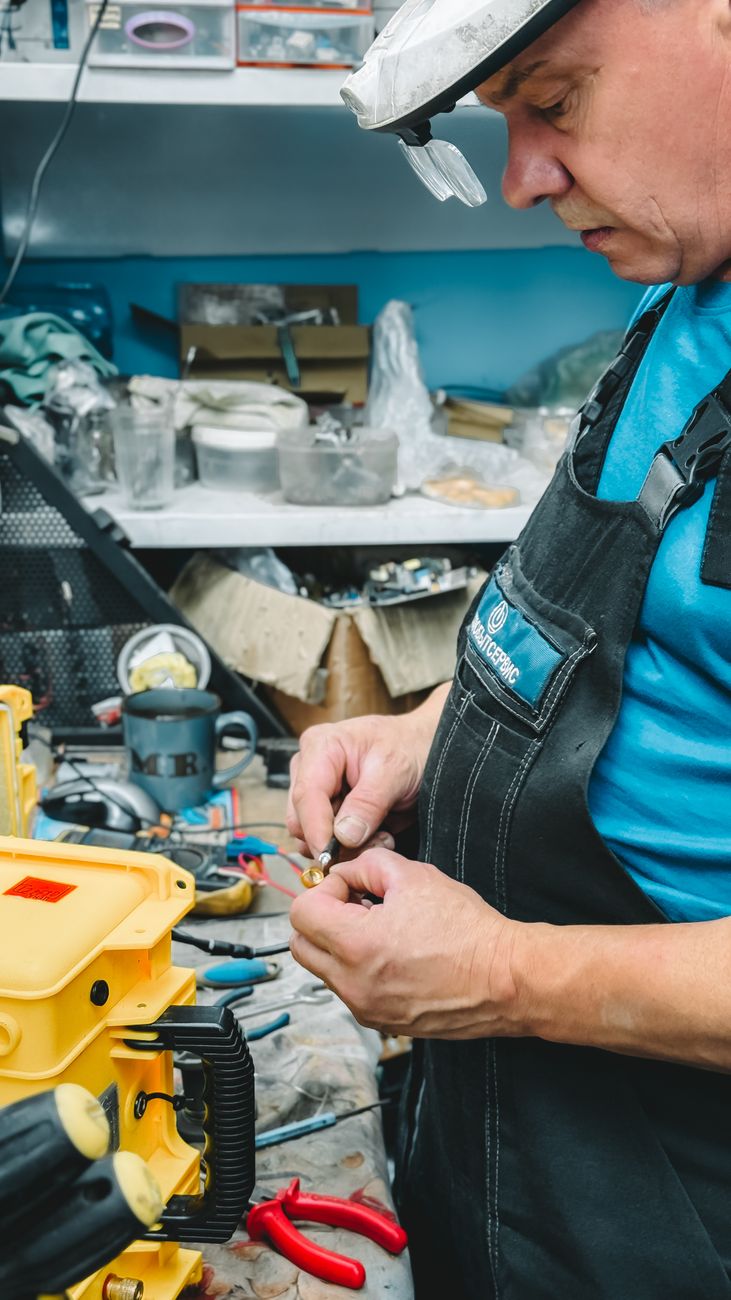
I like electrical work because it requires your attention.
You can come in carrying an argument from home, a bill you don’t know how to pay, or a thought you’ve been chewing on for three days. Then there’s a task in front of you. You have to understand it, plan it, and do it carefully.
There’s satisfaction in that. I like looking at finished work and knowing why it’s good, even if nobody else will notice. I like being part of something too large for one person to build.
When I started, I wanted the guys to see that I could do the work. I showed up early. I asked questions. I tried not to ask the same question twice. Sometimes I worked harder than I should have because I thought one mistake would prove I didn’t belong.
That pressure wasn’t entirely about being trans. Being new will do that to you. But I carried an extra fear: if someone found out, would everything I’d earned suddenly get reconsidered?
Would I still be the guy who knew his work, or would I become the trans guy they used to think knew his work?
Fifteen years in, I trust my abilities more. I don’t need to turn every task into a test of my right to be there.
I still care what happens to that trust.
What Brotherhood Looks Like
The brotherhood is real. I want to say that before I say anything else.
I’ve worked with guys who would drive across town to help someone they barely liked. Guys who took up a collection when a coworker’s wife got sick. Guys who noticed an apprentice didn’t have lunch and somehow started bringing “too much food” every morning.
One winter, my truck wouldn’t start after work. A guy who’d spent the whole day arguing with me about how we should run something stayed until we got it going.
He didn’t turn it into a lesson about friendship. He just stood there freezing and said my battery was junk.
That’s affection in a language I understand.
The union matters to me because it gives that instinct a structure. Brotherhood can’t only mean helping the guy you’d choose to have a beer with. It has to mean standing beside people whose lives you don’t know much about.
I believe in that. I’ve benefited from it.
Which is why it bothers me when the circle suddenly gets smaller.
The Things Said at Lunch
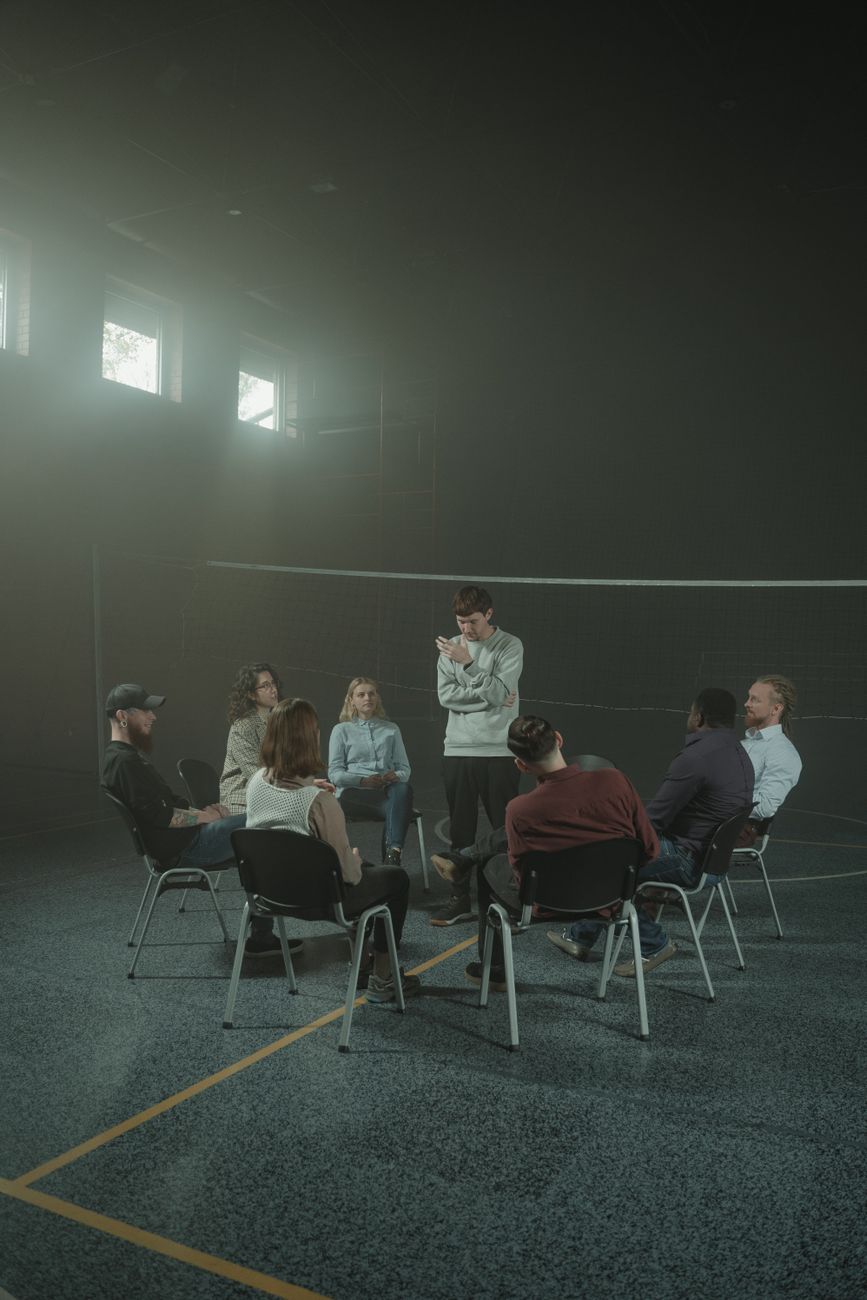
A conversation starts with somebody’s kid, something on television, a headline on a phone.
Then somebody makes a joke about trans people.
Sometimes it’s ugly. Sometimes it’s careless. Sometimes it’s a guy repeating something he heard, hoping for a laugh.
I know those distinctions matter. They don’t make it pleasant to sit there eating a sandwich while people discuss somebody like me as if nobody like me could be in the room.
The hardest part is that the person talking might be someone I like.
He might have helped me with my truck. He might have stood up for me when somebody tried to blame our crew for another crew’s mistake. I know his wife’s name. I’ve heard about his mother’s surgery.
And now I’m wondering what he would do with the truth about me.
I don’t think every bad joke reveals somebody’s entire character. People can learn. I’ve changed my mind about things, too.
But I also don’t owe anybody access to my life so they can discover whether they’re capable of respecting it.
Sometimes I say, “Leave people alone.”
Sometimes I ask what the joke’s supposed to be.
Sometimes I say nothing, and spend the drive home wishing I hadn’t.
Keeping My Own Business
People occasionally talk about being stealth like it must be a terrible secret.
For me, it’s mostly privacy.
I don’t think coworkers need my medical history. I don’t think being honest requires giving everyone the same version of yourself. There are things every guy on a job site keeps to himself.
Still, mine comes with calculations.
When someone tells a story about growing up, I decide how much of mine to share. When an old acquaintance appears unexpectedly, I wonder what name they’ll remember. When people start passing around childhood pictures, I’m suddenly very interested in getting back to work.
I’m not afraid all day. That would be exhausting, and it wouldn’t describe my life accurately.
But the awareness is there. Usually quiet. Occasionally loud.
Outside work, I have people who know. I can talk without editing the timeline. I can mention who I used to be without worrying that it will change how they hear everything afterward.
Having that space helps me keep the job in perspective. Work is a big part of my life. It isn’t entitled to all of it.
Making Room
At 44, I pay more attention to the new guys than I used to.
Not because I can tell who’s queer or trans. I can’t. That’s part of the point.
You never know what somebody is carrying when they show up in new boots, trying to look like they aren’t nervous. You don’t know why a joke hits them hard or why they keep their personal life vague.
I try to teach without humiliating people. I try to make it possible to ask a question before a small problem becomes a bigger one. When somebody starts in on an apprentice just for being different, I can tell them to knock it off without explaining myself.
That’s not the same as coming out. I know that.
But it’s something I can do now, with the standing I’ve earned.
I don’t have a big announcement planned. Maybe someday I’ll tell more people. Maybe I won’t. I want that decision to belong to me, not to somebody else’s idea of courage.
Tomorrow, I’ll go to work. Somebody will need a hand. Somebody will have brought bad coffee. We’ll argue about something, get through the day, and head home.
I’ll be one of the guys.
I just want our brotherhood to be strong enough that knowing more about me wouldn’t change that.
This story is a work of fiction inspired by real experiences. Its characters, dialogue, and events have been fictionalized and should not be read as a factual account of any individual’s life.