Trans men and transmasculine people are not all the same, but certain personality types show up often enough to become inside jokes. Some lean artsy and introspective. Some throw themselves into fitness. Some want to be visibly trans and politically active. Others prefer to stay private. And some are just trying to get through the day with snacks, games, and as little stress as possible.
These archetypes are funny because they exaggerate familiar patterns, but they also point to real pressures around identity, masculinity, community, and mental health. If you have ever thought, “Why do I know five people exactly like this?” or “Why do I feel called out by all of them?” this breakdown explains the appeal.
It also helps to remember that these are stereotypes, not rules. Most people are a mix. Someone can care about fitness and still be soft-spoken. Someone can be stealth in one area of life and openly trans in another. Someone can be politically active and deeply burned out at the same time.
Table of Contents
- Why trans masculine “types” resonate so much
- The 5 recognizable trans masculine archetypes
- What these stereotypes actually reveal
- How to recognize your own pattern without boxing yourself in
- Common mistakes people make with these labels
- How to take the useful parts and drop the rest
- Takeaway
- FAQ
Why trans masculine “types” resonate so much
Every community develops shorthand for recognizable social roles. In trans masculine spaces, those roles often form around a few recurring themes:
- How someone relates to masculinity
- How visible or private they are about being trans
- How they cope with dysphoria, stress, or social anxiety
- What subculture gives them belonging
- How much energy they put into advocacy, aesthetics, or self-improvement
That is why these archetypes can feel weirdly accurate. They are less about labels and more about common coping styles.
If you are still sorting out where you fit, it may help to explore broader identity questions in this guide to understanding your gender identity.
The 5 recognizable trans masculine archetypes
The examples below are broad and humorous, but each one reflects a real pattern many people have seen in friend groups, online communities, and their own lives.
1. The soft, artsy transmasc
This person is sensitive, expressive, and highly invested in aesthetic selfhood. Think notebooks, playlists, oversized sweaters, nail polish, indie music, emotional depth, and a low tolerance for conventionally macho expectations.
What defines this archetype is not simply being artistic. It is using art and style as a way to create distance from rigid masculinity. Instead of trying to blend into mainstream “guy culture,” this person often builds an identity around being thoughtful, alternative, and emotionally tuned in.
Common traits:
- Strong attachment to music and mood
- Creative hobbies like writing, drawing, or poetry
- A softer presentation or intentionally nontraditional masculinity
- Desire to be seen as different from stereotypical men
- A tendency to feel misunderstood
This archetype can be a healthy rejection of narrow masculinity. It can also become a shield, where “being deep” covers loneliness, anger, or social insecurity.

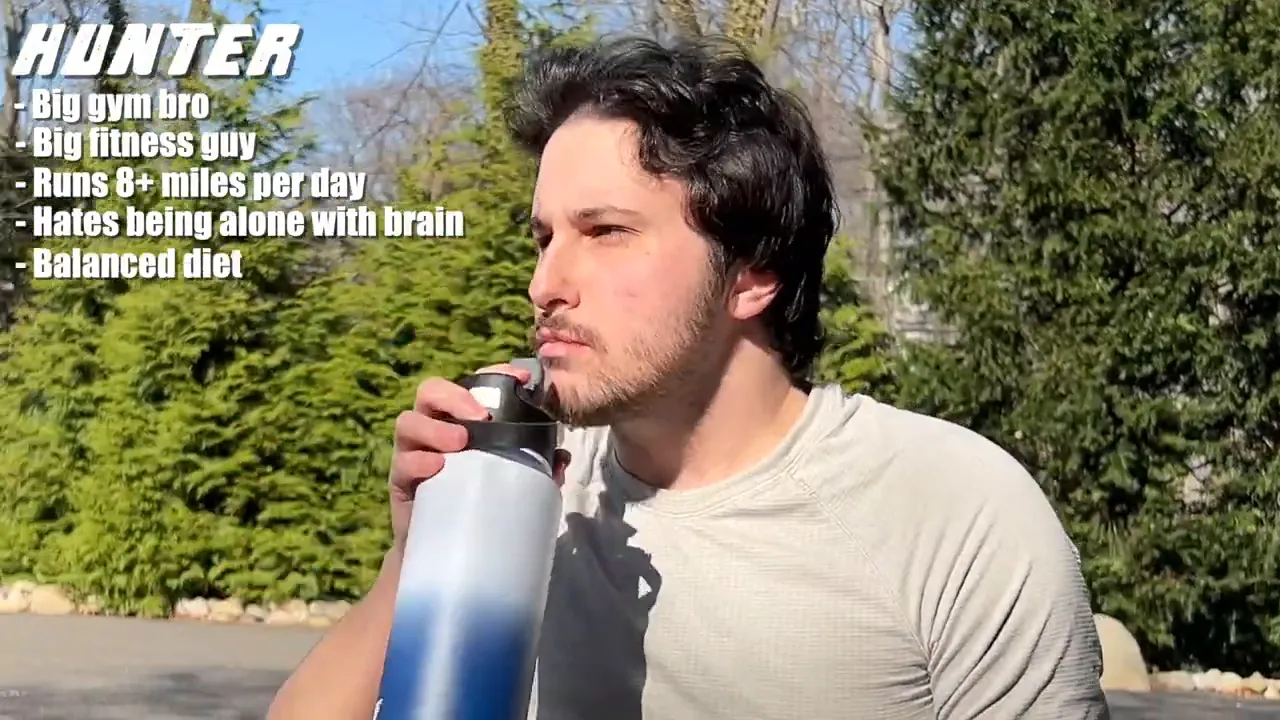
2. The gym bro trans guy
This archetype channels energy into fitness, sports, movement, and visible physical progress. Running, lifting, basketball, protein, pre-workout, and body-focused routines all fit here.
For a lot of trans men, fitness is not just a hobby. It can feel like a direct path toward confidence, embodiment, and a stronger sense of control. Building muscle or improving athletic ability can ease dysphoria for some people, especially when it changes how they move through the world and how they feel in their body.
But this type also has a darker side. Exercise can turn into overcompensation, avoidance, or a way to outrun uncomfortable thoughts. It can look disciplined on the outside while hiding burnout or disordered habits.
Common traits:
- Very high interest in working out or sports
- Frequent body checking or flexing
- Talking about routines, miles, gym sessions, and gains
- Using fitness as identity, therapy, and validation all at once
- Sometimes neglecting balance in food, rest, or mental health
There is nothing wrong with loving the gym. The useful question is whether the routine is supporting your life or replacing it.
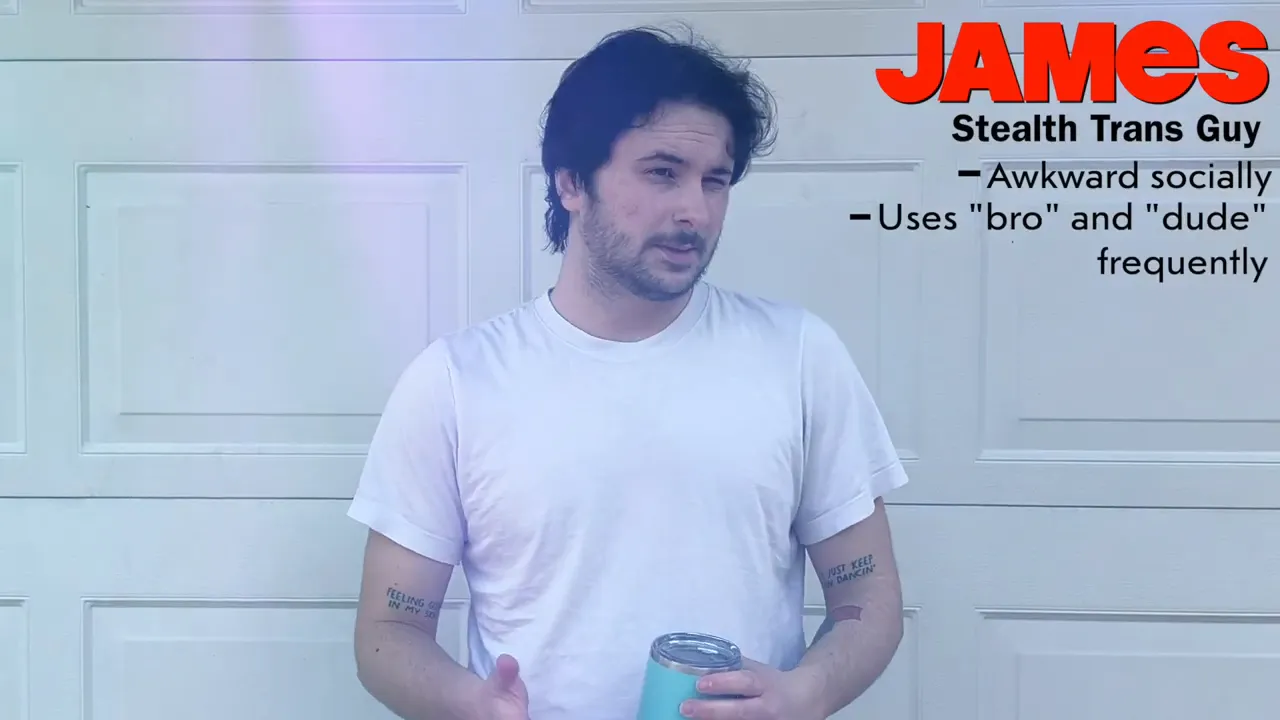
3. The stealth and hyper-aware guy
This person keeps being trans private, whether for safety, comfort, convenience, or personal preference. In many cases, stealth is not about shame. It is about wanting normalcy, control over personal information, or relief from constant explanation.
Still, maintaining privacy in social situations can create a particular kind of tension. Someone may monitor their voice, word choice, body language, clothes, or the way they navigate public spaces. That can lead to a form of social overcorrection, where they try extra hard to seem casual, masculine, and unremarkable.
Common traits:
- Very private about being trans
- Strong concern with blending in
- Awkwardness in public or group situations
- Hyperawareness of presentation
- Reliance on tools or routines that reduce dysphoria
This archetype often gets misunderstood. Some people assume stealth trans men are disconnected from community or politics. That is not necessarily true. Many care deeply, they just do not want their identity to be public information everywhere they go.
If social dysphoria and presentation are part of your day-to-day, this article on gender dysphoria offers useful context.
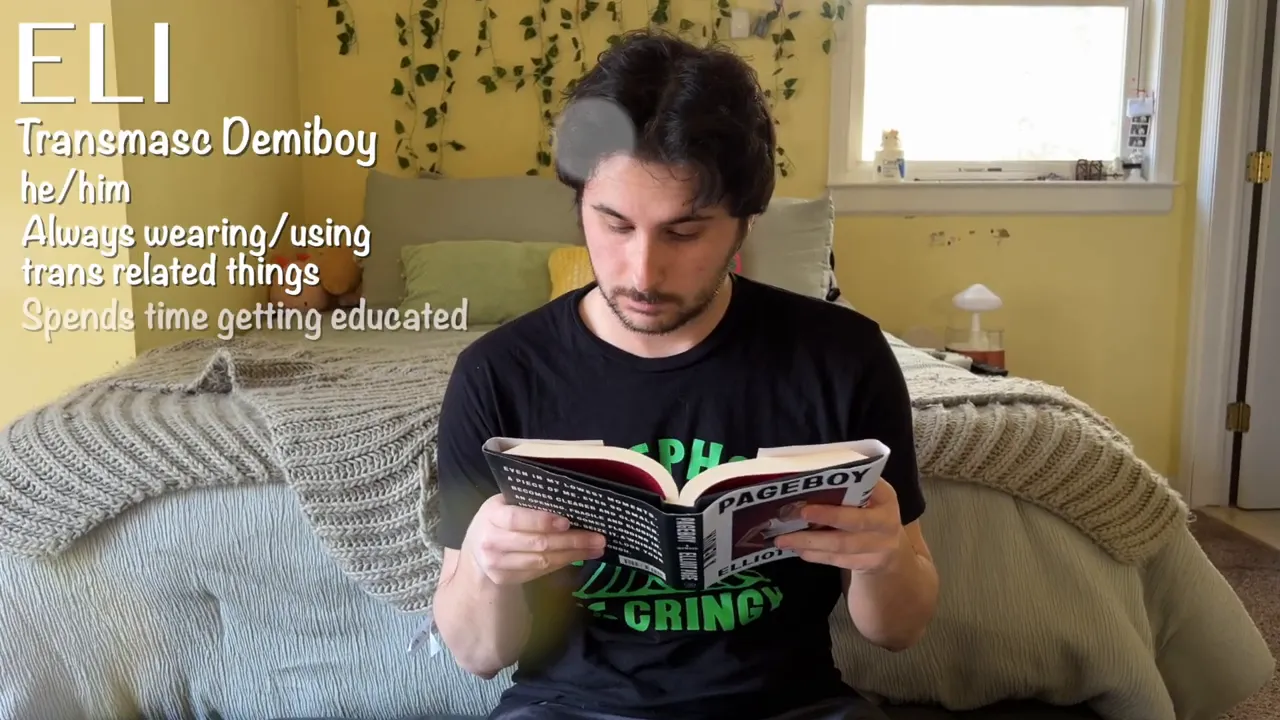
4. The visible activist transmasc
This is the openly trans, highly informed, internet-literate, community-oriented type. They wear trans-related items, stay updated on discourse, correct bad information, and often spend a lot of emotional energy trying to make spaces safer and more informed.
At their best, people in this role become connectors. They educate friends, support younger trans people, build online spaces, and make it easier for others to feel less alone. Community work matters.
At their most exhausted, they can get trapped in endless arguments, doomscrolling, and a sense of personal responsibility for every bad take online. That emotional labor adds up fast.
Common traits:
- Open identification as transmasculine
- Trans flags, pins, shirts, tote bags, or books
- Strong political awareness
- Frequent participation in online discourse
- Desire to be a safe person for others
- High risk of burnout and anxiety
This type often gets mocked as “too online,” but that misses the point. Visibility can be a survival strategy, a community service, or both.
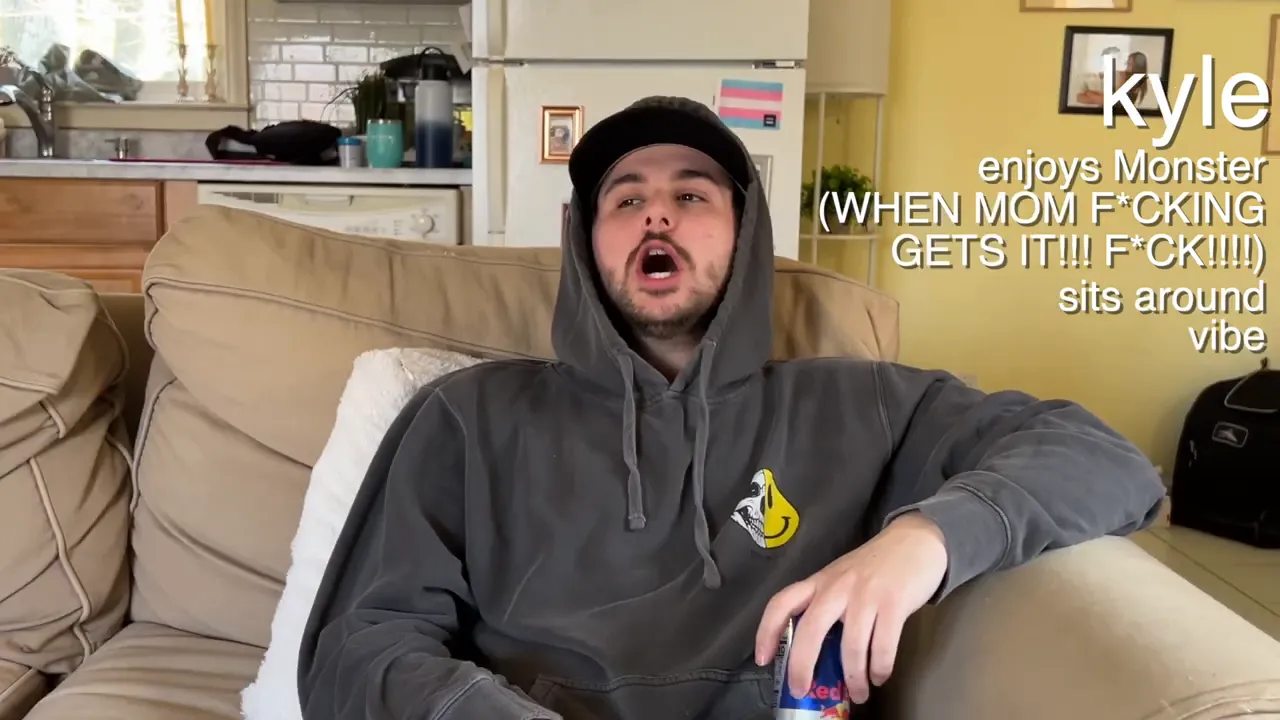
5. The low-energy gamer-slacker archetype
This type is less about ambition and more about drifting. Hoodies, gaming, caffeine, naps, irritation, and a vague disregard for wellness all show up here. It is an exaggerated character, but it points toward something real: not everyone responds to stress by becoming polished, productive, or politically active.
Some people cope by checking out. They numb out with games, energy drinks, routines that require very little emotional effort, or an “it is what it is” attitude. Underneath the humor, this archetype often hints at fatigue, avoidance, or depression.
Common traits:
- A lot of time spent gaming or scrolling
- Messy sleep, food, or self-care habits
- Heavy reliance on caffeine or vaping culture aesthetics
- Little interest in discussing emotions directly
- A generally checked-out or detached vibe
Plenty of people move in and out of this phase. It can be temporary, especially during hard periods of transition, financial stress, or mental health struggles.
What these stereotypes actually reveal
Although these categories are funny, they also reveal a lot about trans masculine life.
Masculinity is negotiated, not inherited
Many cis men absorb social scripts without consciously choosing them. Trans men often have to decide, piece by piece, which forms of masculinity feel authentic, useful, or intolerable. That can produce stronger attachment to a chosen style, whether that style is soft, sporty, stealth, activist, or detached.
Identity expression often doubles as a coping strategy
The gym bro might be chasing control. The visible activist might be trying to build safety. The stealth guy might be reducing stress. The artsy one might be reclaiming sensitivity. The checked-out gamer might be surviving overload.
The stereotype is the surface. The coping logic underneath it is the interesting part.
Most people are hybrids
Someone can be a stealth gym bro with activist politics. Someone else can be artsy, anxious, and also deeply invested in internet debates. Most people shift types depending on age, community, transition stage, finances, relationships, and mental health.
How to recognize your own pattern without boxing yourself in
If one or more of these archetypes feels familiar, that can be useful. The point is not to assign yourself a permanent label. It is to notice what role you are using and why.
Ask yourself:
- What part of this archetype genuinely feels like me?
- What part is performance or protection?
- What does this role help me avoid?
- What does it help me build?
- Is it making my life bigger or smaller?
For example, loving fitness is great if it improves your relationship with your body. It may be worth reassessing if it becomes punishment. Being visibly trans can be empowering. It may need boundaries if internet conflict dominates your emotional life.
Common mistakes people make with these labels
Assuming stereotypes define the whole person
No one is just one thing. A joke category can describe a vibe without telling you anything about someone’s values, maturity, or actual life.
Using stereotypes to police masculinity
Soft presentation does not make someone less of a man. Loving sports does not make someone shallow. Being stealth does not make someone disloyal. Being visibly trans does not make someone attention-seeking.
Ignoring the mental health layer
Several of these archetypes hint at anxiety, dysphoria, loneliness, obsessive routines, or burnout. If a pattern stops being funny and starts feeling harmful, take that seriously.
Thinking community recognition equals cliché
Sometimes people worry that if they fit a stereotype, they are being fake or basic. Usually it just means you are participating in a recognizable subculture. That is normal.
How to take the useful parts and drop the rest
Every archetype contains strengths. The goal is to keep those strengths without getting stuck in the limiting parts.
- From the artsy type: keep emotional range and self-expression
- From the gym bro: keep discipline and embodiment
- From the stealth type: keep boundaries and self-protection
- From the activist: keep courage and community care
- From the slacker: keep humor and the ability to stop performing for a while
If you want more practical everyday guidance on transmasculine life, this resource hub is a helpful place to keep exploring.
Takeaway
The “types of trans men” idea works because it exaggerates real patterns many people recognize in themselves and their communities. These archetypes can be funny, comforting, and even revealing, as long as they are not treated like boxes.
The better question is not which type you are forever. It is which roles you lean on, what they give you, and whether they still fit the person you are becoming.
FAQ
Are these five types real categories?
No. They are broad stereotypes based on recognizable personality patterns in trans masculine communities. Most people are a mix of several.
Why do trans masculine stereotypes often focus on aesthetics or hobbies?
Because expression, interests, and presentation are visible ways people negotiate masculinity and identity. Hobbies and style often become shorthand for deeper social roles.
Is being stealth a bad thing?
No. Being stealth is a personal choice that can be based on safety, privacy, comfort, or convenience. It does not automatically say anything negative about someone’s values.
Can fitness help with dysphoria?
For many people, yes. Strength training, running, and sports can improve body confidence and embodiment. It is most helpful when it stays balanced and does not turn into self-punishment.
Why do activism-focused transmascs burn out so often?
Constant education, online conflict, and community care require emotional labor. Without boundaries, that can become exhausting very quickly.
What if I relate to the “slacker” type more than the others?
That does not make you lazy by definition. Sometimes low-energy coping reflects burnout, depression, stress, or simple exhaustion. If it starts affecting your health or daily life, support can help.
Do these stereotypes apply to all trans men?
No. They are only a handful of recognizable patterns and do not reflect the full range of trans masculine identities, cultures, ages, or life experiences.
The Trevor Project and National Center for Transgender Equality offer additional context on gender identity, support, and advocacy.