
Finding True Masculinity
Testosterone HRT at a Glance
Masculinizing hormone therapy, often simply called testosterone or T, uses testosterone to encourage physical characteristics typically associated with male puberty. People use HRT for different reasons and pursue different levels of masculinization; there is no single transition goal that everyone needs to follow.
Testosterone can affect voice, facial and body hair, muscle mass, body-fat distribution, menstrual cycles, genital tissue, libido, skin and other characteristics. The timing and extent of those changes vary significantly between individuals
On This Page
Use this quick guide to jump directly to the testosterone HRT topic you need.
What changes will occur on testosterone?
Testosterone can affect many parts of the body, but there is no single timeline or identical set of results. Some changes may begin within the first few months, while others continue developing for years. Genetics, age, hormone levels, and individual physiology all influence what changes, how much, and when.
01
Voice
Testosterone can deepen the voice as the vocal cords thicken and the larynx changes. The degree of change varies, and the voice may crack or feel unstable during the process.
02
Facial & Body Hair
Facial and body hair often becomes thicker, darker, and more noticeable over time. Genetics strongly influence where hair grows and how dense it eventually becomes.
03
Muscle & Body Composition
Testosterone can increase muscle mass and strength while gradually changing how body fat is distributed. These changes develop over time and are influenced by genetics, activity, and nutrition
04
Periods & Menstrual Changes
Menstrual bleeding often becomes lighter or stops after starting testosterone, though timing varies. Some people continue to have occasional bleeding and may need medical evaluation if it persists
05
Bottom Growth
Testosterone commonly causes growth of genital tissue, often called bottom growth. Changes can begin relatively early and may include increased size, sensitivity, and differences in sensation.
06
Hairline & Scalp Hair
The hairline may become more typically masculine, and some people experience thinning or male-pattern hair loss. Genetics play a major role in how much hair loss occurs.
07
Skin & Acne
Testosterone can increase oil production, which may lead to acne, especially during the first few years of treatment. Severity varies and can often be managed with skin care or medical treatment.
08
Sex Drive & Sensitivity
Libido may increase, decrease, or fluctuate after starting testosterone. Changes in genital sensitivity and sexual response are also common and can vary significantly from person to person
How Testosterone is Taken
Testosterone for masculinizing hormone therapy is available in several forms. The best option depends on factors such as your preferences, access, insurance coverage, comfort with injections, how your body responds, and the treatment plan you develop with your healthcare provider. In the United States, commonly used options include injectable and topical testosterone, while longer-acting preparations such as pellets are used less often
Injectable Testosterone
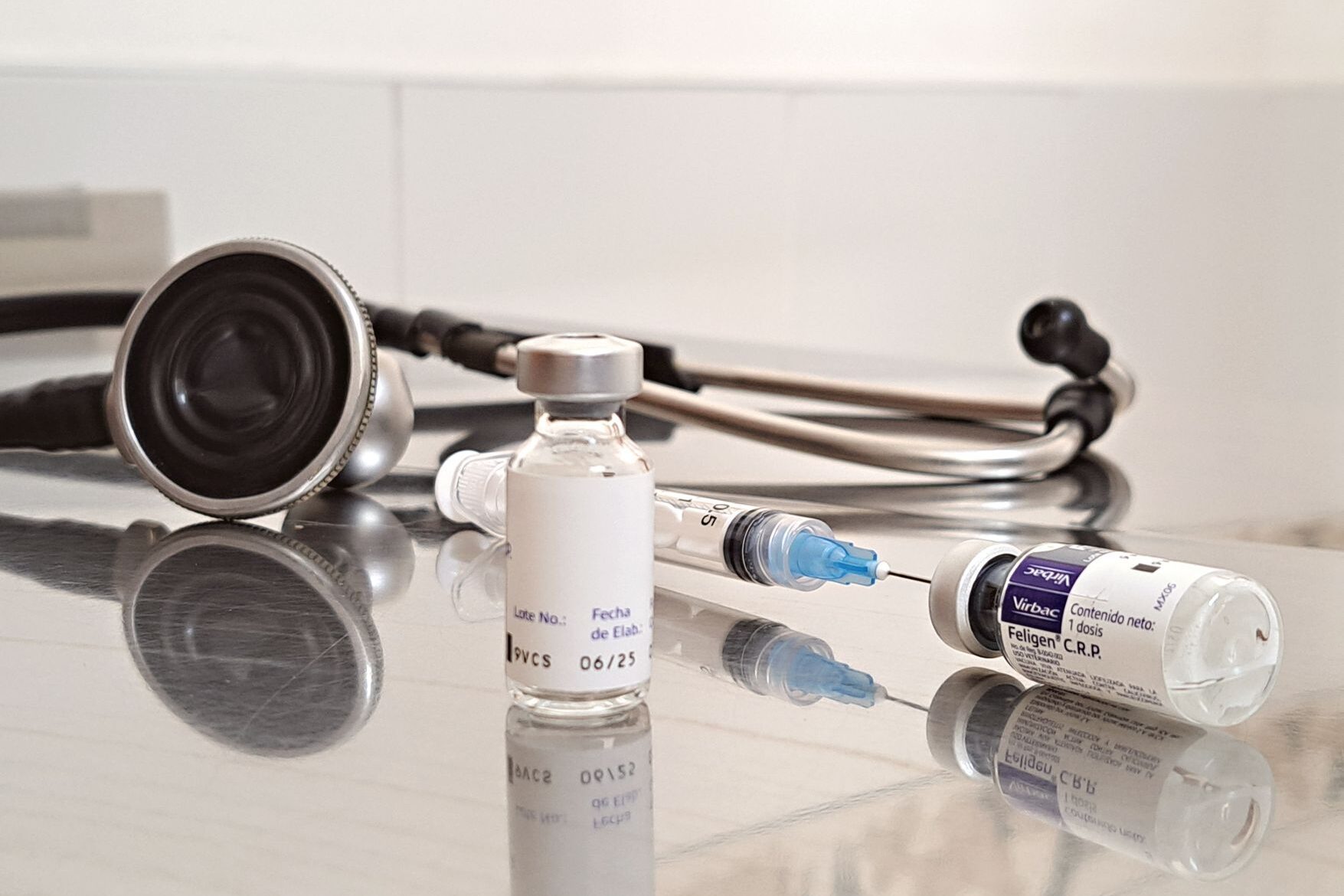
Photo by DΛVΞ GΛRCIΛ on Pexels.com
Testosterone Gel
Other Topical Options

Photo by Anete Lusina on Pexels.com
Long-Acting Testosterone

There Isn’t One “Best” Form of Testosterone
Different methods can produce effective masculinizing changes when treatment is appropriately monitored. Convenience, cost, insurance coverage, comfort, availability, side effects, and personal preference can all influence which option works best for a particular person.
New to Testosterone Injections?
Subcutaneous testosterone injections can seem intimidating at first, especially if you have never given yourself an injection before. Our beginner’s guide explains how SubQ testosterone shots work, the supplies commonly used, injection-site basics, and practical tips to make the process easier to understand.

What Happens When You Start Testosterone?
Testosterone does not change everything at once. Some effects may begin within the first few months, while others develop gradually over several years. The timing, degree, and combination of changes vary considerably from person to person and can be influenced by genetics, age, hormone levels, body composition, and other individual factors.
There is no single “correct” testosterone timeline, and someone else developing facial hair, a deeper voice, or other changes sooner does not mean your treatment is not working. UCSF emphasizes that both the speed and extent of masculinization are highly individual, with some effects continuing to develop for several years.
Typical Timeline of Results
Its important to note that every person is different and will respond to hrt uniquely. This timeline may or may not reflect your individual results, but is reflective of what is expected
The First 1–6 Months
Early Changes Begin
Some of the first noticeable effects can include oilier skin or acne, changes in sex drive, early facial and body hair growth, and the beginning of changes in body-fat distribution. Menstrual bleeding often becomes lighter or stops during the first several months, although this does not happen on exactly the same schedule for everyone.
Bottom growth may also begin during this period. Planned Parenthood lists clitoral enlargement as commonly beginning around 3–6 months, with further development occurring over time.
Around 3–12 Months
More Visible Masculinization
Voice changes often become more noticeable during this stage. The voice may crack, fluctuate, or feel less predictable before settling into a lower range. Planned Parenthood lists voice deepening as typically beginning around 3–12 months and continuing to develop for approximately 1–2 years.
Facial and body hair may become darker or coarser, bottom growth can continue, and changes in body shape may become easier to notice. Hair growth patterns are especially dependent on genetics.
Around 6–12 Months
Strength and Body Composition Continue Changing
Increases in muscle mass and strength often become more noticeable during this period, although exercise, nutrition, genetics, and other factors strongly influence how pronounced those changes become.
Body-fat distribution may continue shifting away from the hips and thighs and toward a more typically masculine pattern. These changes are gradual rather than sudden and may continue for several years. Planned Parenthood places the expected maximum effect for muscle and fat-distribution changes at roughly 2–5 years
1–5 Years and Beyond
Long-Term Changes Continue Developing
Many testosterone-related changes continue well beyond the first year. Facial and body hair may become progressively thicker, the voice may settle, muscle and body composition can continue changing, and bottom growth may reach its eventual extent.
For people genetically predisposed to androgenic hair loss, scalp thinning or male-pattern baldness may also become apparent over time. Planned Parenthood lists its onset as generally after the first year, although the timing and extent are highly variable.
Some changes can continue developing for years, and there is no specific point at which everyone is “finished.” UCSF notes that maximal masculinization may take roughly 2–5 years, while individual traits such as beard development can remain highly variable
Your Timeline is Your Own
These ranges are estimates, not deadlines. Starting testosterone does not guarantee a specific change by a particular month or year. Genetics and individual physiology play major roles, and taking more testosterone does not necessarily make masculinization happen faster. Treatment should be adjusted according to your goals, response, hormone levels, and medical care- not by comparing your progress with someone else’s.
Some Changes Are More Permanent Than Others
Changes that are generally considered permanent or potentially permanent include:
- Voice deepening
- Bottom growth
- Much of the facial and body hair development
- Male-pattern scalp hair loss, if it occurs
Changes that may partially or substantially reverse if testosterone is stopped include:
- Muscle mass and strength
- Body-fat distribution
- Skin oiliness/acne
- Menstrual suppression
- Some changes in libido
Monitoring & Bloodwork
Testosterone therapy usually involves periodic bloodwork and follow-up appointments. These checks help your healthcare provider see how your body is responding, confirm that testosterone levels are where they should be for your treatment goals, and watch for changes that may need attention.
Monitoring matters because more testosterone is not automatically better. Once testosterone levels are within an appropriate physiologic range, pushing them higher does not necessarily produce faster or greater masculinization and may increase the risk of unwanted effects. UCSF recommends adjusting treatment based on goals, physical response, testosterone levels, and safety monitoring rather than chasing a higher number.
Testosterone Levels
Blood tests help determine whether testosterone levels are within the intended range for your treatment plan. For people using injections, timing matters because levels can rise and fall across the injection cycle, so your provider may specify when blood should be drawn in relation to your dose.
Cardiovascular & Metabolic Health
Blood pressure, cholesterol, blood sugar, weight, and other cardiovascular risk factors may be monitored depending on your age, health history, medications, and other risks. The Endocrine Society recommends assessing cardiovascular risk factors during hormone therapy rather than relying on hormone levels alone.
Hemoglobin & Hematocrit
Testosterone stimulates red blood cell production, so hemoglobin and hematocrit are commonly monitored. These values normally rise somewhat on testosterone, but levels that become excessively high may require further evaluation or changes to treatment.
Your Symptoms & Physical Changes
Lab results are only part of the picture. Your provider may also ask about energy, mood, libido, menstrual bleeding, acne, hair changes, sleep, and the physical changes you are experiencing. Treatment decisions should consider both laboratory results and how you are actually responding to testosterone.
Getting Your Labs Done
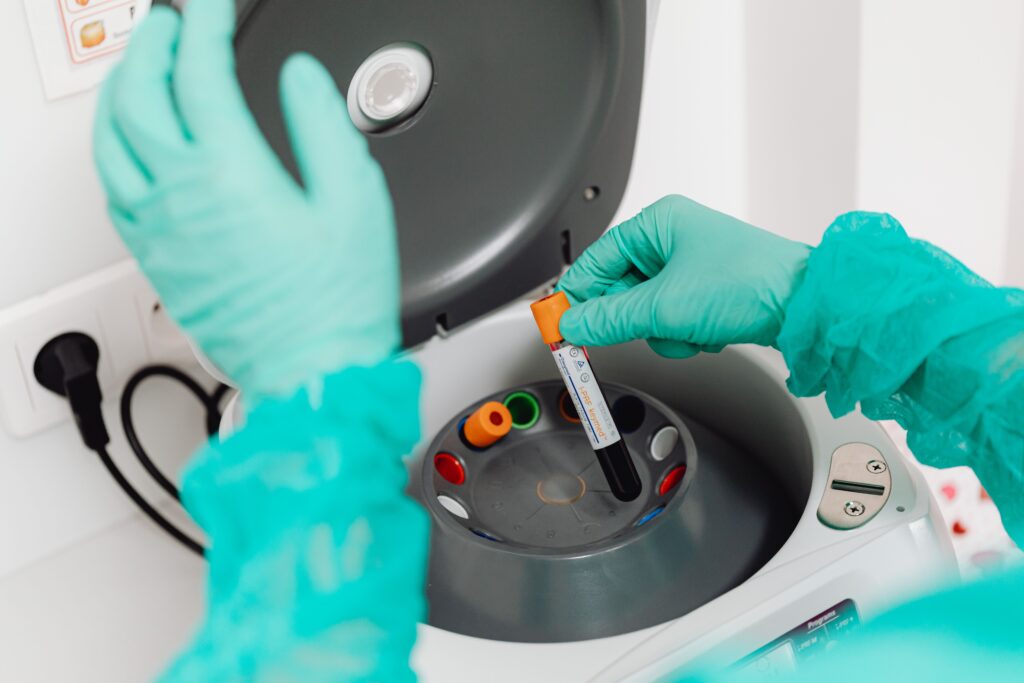
Regular bloodwork is an important part of testosterone therapy. It helps your provider track hormone levels, monitor changes such as hemoglobin and hematocrit, and make sure your treatment remains both effective and safe over time. Testing is usually more frequent when starting or adjusting testosterone, then becomes less frequent once your treatment is stable.
How Often Is Bloodwork Done?
Monitoring is usually more frequent during the first year of testosterone therapy or while a dose is being adjusted. Early testing gives your provider a chance to see how your body is responding, confirm that testosterone levels are in an appropriate range, and identify any health changes that may need attention.
The Endocrine Society recommends clinical evaluation and hormone-level monitoring about every three months during the first year, with monitoring becoming less frequent once treatment is stable. UCSF uses a similar first-year approach for testosterone and hemoglobin/hematocrit, while emphasizing that exact schedules should be individualized.
Once your dose and hormone levels are stable, many people need testing only once or twice a year, although some may require more frequent follow-up. Your schedule can depend on the type of testosterone you use, recent dose changes, other medications, your health history, symptoms, and any abnormal lab results that need to be rechecked.
Your own schedule may be different depending on your health history, testosterone formulation, dose changes, symptoms, and your clinician’s practice
Understanding Testosterone Levels
A Single Number Doesn’t Tell the Whole Story
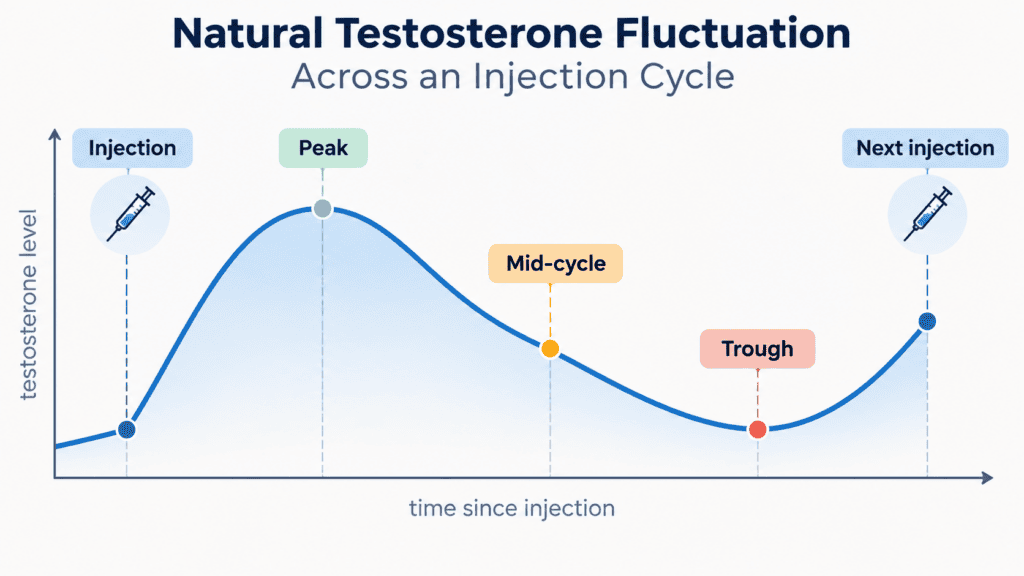
Testosterone levels can vary depending on when the blood sample is taken, particularly for people using injectable testosterone. A result drawn relatively soon after an injection may be noticeably higher than one taken near the end of the dosing interval.
UCSF notes that testosterone results should be interpreted in relation to whether the sample represents a peak, trough, or mid-cycle level. This is why following your provider’s instructions about when to have blood drawn matters. Two results from different points in the injection cycle may look very different even when the dose has not changed.
The formulation you use matters too. Injectable testosterone can produce more noticeable fluctuations between doses, while topical forms such as gel tend to produce a different pattern. Your provider interprets the number in the context of your medication, dose, schedule, and when you last took it.
A testosterone result should not be treated as a score. Higher does not automatically mean better or faster masculinization. The goal is an appropriate level for your treatment plan while balancing desired effects with safety and overall health.

Why Hematocrit Matters
Hemoglobin, Hematocrit & Red Blood Cells
Testosterone can increase red blood cell production. Hemoglobin measures the oxygen-carrying protein in red blood cells, while hematocrit represents the proportion of your blood made up of red blood cells.
A rise is expected for many people taking testosterone. However, unusually high levels can indicate erythrocytosis, sometimes called polycythemia in general discussion, which can require additional evaluation. UCSF recommends interpreting these results in the context of testosterone dose, hormone levels, menstrual status, and the laboratory’s reference ranges.
Important to Note:
If your medical record still lists you as female, the laboratory may automatically compare your results with a female reference range. For an amenorrheic trans man with testosterone levels in the typical male physiologic range, UCSF notes that male reference ranges may be more appropriate for interpreting hemoglobin and hematocrit.

Do You Need Every Possible Lab?
Not every person needs every possible blood test at every appointment. Testing should be based on the medication being used, individual health risks, age, symptoms, and routine preventive-care recommendations.
For example, UCSF does not recommend automatically ordering cholesterol or blood-sugar testing solely because someone is taking testosterone; those tests can instead follow ordinary preventive-care guidance and clinician judgment.
Bloodwork Is a Safety Tool, Not a Scorecard
A testosterone result is not a measure of how masculine someone is, and a higher number does not mean a better transition. The goal is to find a treatment approach that produces the changes you want while keeping hormone levels and health markers in an appropriate range.
If results are unexpected, the next step is usually to look at the whole picture (dose timing, injection schedule, symptoms, other medications, health conditions, and how the blood sample was collected) rather than simply increasing or decreasing testosterone based on one number.
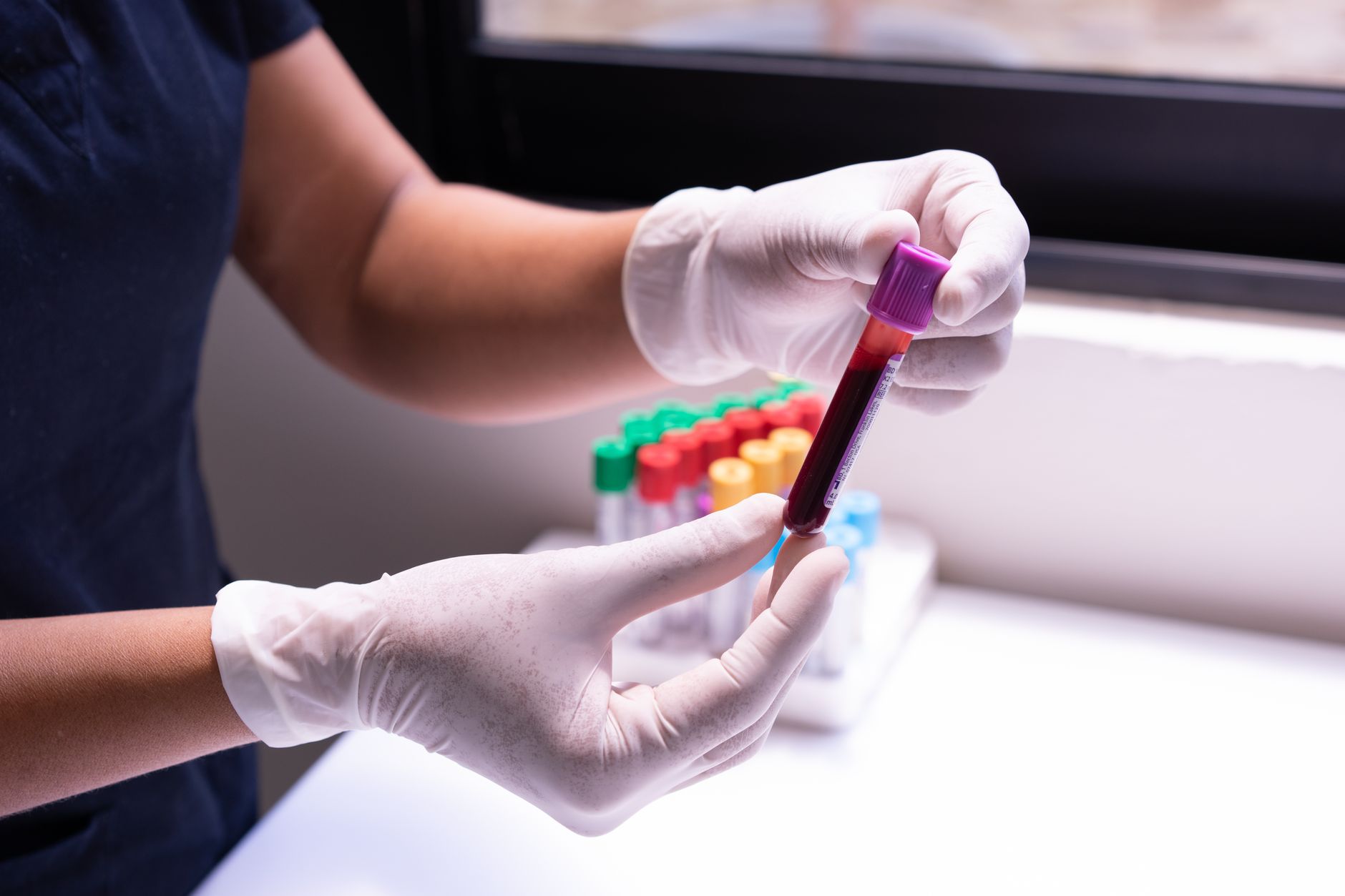
Bloodwork Is a Safety Tool, Not a Scorecard
A testosterone result is not a measure of how masculine someone is, and a higher number does not mean a better transition. The goal is to find a treatment approach that produces the changes you want while keeping hormone levels and health markers in an appropriate range.
If results are unexpected, the next step is usually to look at the whole picture (dose timing, injection schedule, symptoms, other medications, health conditions, and how the blood sample was collected) rather than simply increasing or decreasing testosterone based on one number.
Periods, Fertility & Birth Control
Testosterone can change menstrual cycles and may reduce fertility, but it does not reliably prevent ovulation or pregnancy. Anyone who retains a uterus and ovaries may still have reproductive potential, even if periods have stopped completely. Fertility goals and contraception are therefore worth discussing as part of testosterone care—not only before starting HRT.

What Happens to Periods?
Periods Often Stop, but Not Always Immediately
Testosterone commonly causes menstrual bleeding to become lighter and eventually stop. For many people, amenorrhea develops within the first several months of treatment, although timing varies and some people continue to have occasional bleeding or spotting.
If menstrual suppression is an important goal and bleeding continues, additional options may be available. ACOG notes that progestin-based treatments and other menstrual-suppression methods can sometimes be used alongside testosterone.
Persistent bleeding, or the unexpected return of bleeding after periods had stopped without a change in testosterone treatment, is something to discuss with a healthcare provider rather than simply assuming the dose needs to be increased. ASRM recommends evaluating new or persistent abnormal bleeding based on the individual’s circumstances.

Testosterone Is Not Birth Control
No Period Does Not Mean No Ovulation
This is probably the most important point in this entire section:
Testosterone is not contraception.
Ovulation can still occur even when testosterone has stopped menstrual bleeding. If someone has a uterus and ovaries and has sex that can introduce sperm into the reproductive tract, pregnancy can still be possible.
That means amenorrhea (having no period) is not proof of infertility.

Fertility & Future Family Building
Testosterone May Affect Fertility, but the Long-Term Effects Aren’t Fully Predictable
Testosterone can suppress ovulation and may reduce reproductive potential while it is being used, but current evidence does not allow clinicians to predict with certainty how long-term testosterone exposure will affect an individual person’s future fertility. Pregnancies and successful fertility treatment have occurred after previous testosterone use.
For people who may want genetically related children in the future, fertility-preservation options can include:
– Egg freezing (oocyte cryopreservation)
– Embryo freezing
– In selected situations, other reproductive-tissue preservation techniques
ASRM, WPATH, and the Endocrine Society recommend discussing fertility-preservation options before hormone therapy when possible. That does not mean someone who has already started testosterone has automatically lost the opportunity to preserve fertility; it means discussing options earlier can provide more choices and reduce uncertainty.

Birth Control While Taking Testosterone
You Can Use Contraception While on T
People taking testosterone can also use birth control. Testosterone itself is not considered a contraindication to contraceptive methods, and current guidance supports choosing contraception based on individual preferences, health history, bleeding goals, and pregnancy-prevention needs.
Options can include:
– Hormonal or copper IUDs
– Contraceptive implants
– Progestin-only pills
– The contraceptive injection
– Combined estrogen-and-progestin methods
– Barrier methods such as condoms
Some transmasculine people prefer contraception that does not contain estrogen because of personal preference or dysphoria. However, Planned Parenthood notes that estrogen-containing birth control does not cancel out testosterone or prevent masculinizing HRT from working.
Condoms and other barriers also remain important for reducing the transmission of sexually transmitted infections; other contraceptive methods do not provide that protection
If Pregnancy Is Possible, Talk With Your Provider
Testosterone should not be relied upon to prevent pregnancy. If pregnancy occurs or is desired, testosterone treatment needs to be discussed promptly with a healthcare professional because testosterone is not recommended during pregnancy. Planned Parenthood advises people who want to become pregnant or discuss fertility preservation to review their options with a clinician rather than continuing testosterone without guidance.
If someone is planning a pregnancy, stopping testosterone does not guarantee immediate fertility, but pregnancy after previous testosterone use is well documented.
Common Side Effects & Concerns
Testosterone affects much more than the traits people usually associate with masculinization. Changes in skin, hair, genital tissue, blood counts, cholesterol, energy, and mood can occur as your body adjusts. Some are expected effects of testosterone, while others are things your healthcare provider may want to monitor or treat.
The goal is not to eliminate every side effect. It is to recognize what is expected, know what can be managed, and identify changes that deserve medical attention.
Acne can get worse before it gets better.
Testosterone increases activity in the skin’s oil-producing glands, which can lead to oilier skin and acne on the face, chest, shoulders, or back. UCSF notes that acne commonly becomes most noticeable during the first year of testosterone therapy and often decreases afterward.
Treatment is generally similar to hormonal acne treatment and can range from basic skin care and over-the-counter products to prescription washes, lotions, and medications when acne is persistent, painful, or causing scarring.
Keeping testosterone within an appropriate physiologic range may also matter. UCSF notes that avoiding excessive hormone peaks with some injection schedules may help reduce acne for some people.


Testosterone can change genital tissue as well as external appearance.
Testosterone commonly causes bottom growth, increased genital sensitivity, and changes to vaginal tissue. Lower estrogen activity in these tissues can lead to dryness, thinning, irritation, discomfort with penetration, or pain during sex.
ACOG notes that testosterone-related vaginal atrophy may also make tissue more prone to small tears and changes in the local microbial environment, potentially contributing to conditions such as bacterial vaginosis, cystitis, cervicitis, or painful intercourse.
Options can include lubricants, vaginal moisturizers, and in appropriate cases low-dose topical vaginal estrogen. ACOG notes that topical estrogen has minimal systemic absorption and generally does not interfere with masculinizing testosterone therapy.
Genital symptoms deserve treatment even if discussing this part of the body is uncomfortable or dysphoria-inducing.
A more masculine hairline and male-pattern baldness are not the same thing, but both can occur.
Testosterone commonly causes some recession around the temples, producing a more typically masculine hairline. People who are genetically susceptible may also develop androgenetic alopecia, or male-pattern hair loss, with progressive thinning at the temples or crown.
How much hair loss occurs is heavily influenced by genetics, and it can begin relatively early or years after starting testosterone. UCSF specifically identifies both frontal/temporal recession and male-pattern baldness as possible effects of masculinizing hormone therapy.
If preserving scalp hair is important to you, bring up changes early. Treatments for androgenetic hair loss like oral finasteride or topical minoxidil may be used, although medication choices should be discussed in the context of your transition goals.

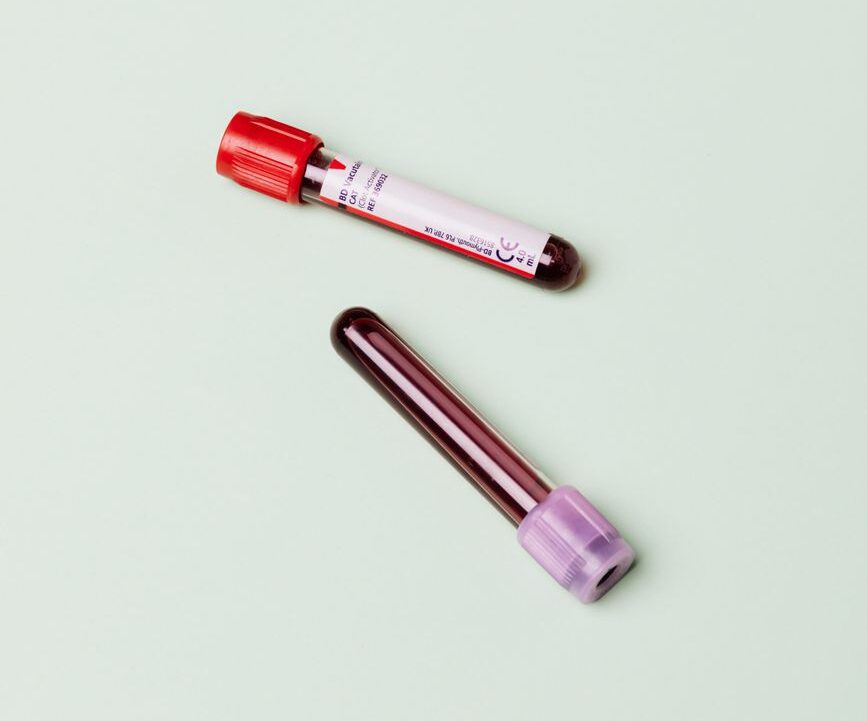
Testosterone increases red blood cell production.
A rise in hemoglobin and hematocrit is expected for many people taking testosterone. Once someone is amenorrheic and has testosterone levels in the typical male physiologic range, their results may appropriately resemble male reference ranges rather than female ones.
The concern is when red blood cell levels become excessively elevated, sometimes referred to as erythrocytosis or polycythemia. Persistent elevation deserves evaluation rather than simply being dismissed as a normal consequence of testosterone.
Clinicians may look at testosterone level and dose timing as well as other contributors such as smoking, sleep apnea, cardiopulmonary disease, or other medical conditions.
Testosterone may produce changes in cholesterol, including reductions in HDL (“good” cholesterol) and, in some studies, increases in triglycerides or LDL. ACOG notes these lipid changes in transmasculine people receiving testosterone, while also noting that available evidence has not established that these changes translate directly into increased cardiovascular events.
The Endocrine Society recommends assessing cardiovascular risk factors during hormone therapy using tools such as lipid testing, diabetes screening, blood pressure, and other evaluation appropriate to the individual.
That means cholesterol should be interpreted alongside the bigger picture (age, blood pressure, smoking, diabetes, family history, medications, and other cardiovascular risks) not treated as an isolated testosterone problem.

Changes can happen, but testosterone does not produce one predictable emotional response.
Some people notice changes in energy, libido, emotional intensity, or mood after starting testosterone. Others notice very little. UCSF specifically cautions against assuming that emotional or mental-health symptoms are automatically caused by testosterone, because mood changes have many possible causes.
For people using injections, hormone levels may rise and fall between doses. UCSF notes that these cyclic fluctuations can sometimes contribute to mood symptoms in susceptible individuals, which is one reason a provider may consider the timing and frequency of injections when symptoms consistently track the dosing cycle.
Persistent depression, severe irritability, anxiety, major sleep changes, or dramatic shifts in functioning should be evaluated rather than accepted as something someone simply has to tolerate because they are taking testosterone.
Starting HRT / Finding Care
Starting testosterone usually begins with finding a clinician or clinic that provides gender-affirming hormone therapy. Depending on where you live and the healthcare system you use, this might be a primary-care clinician, endocrinologist, LGBTQ+ health center, Planned Parenthood, telehealth provider, or another clinician experienced in gender-affirming care.
The exact process varies, but a first appointment commonly includes discussing your health history, transition goals, expected changes, possible risks, fertility and pregnancy considerations, and how testosterone can be taken. Baseline bloodwork may also be ordered before or around the time treatment begins.

Finding a Provider
You do not necessarily need an endocrinologist.
Many people receive testosterone through primary care or dedicated gender-affirming health clinics. What matters most is that the clinician is comfortable prescribing and monitoring testosterone, understands transmasculine healthcare, and is willing to involve specialists when something falls outside their expertise.
Some clinics use an informed-consent model, meaning an adult who can understand the expected effects, risks, benefits, and alternatives may be able to begin treatment without first obtaining a therapist’s approval letter. Planned Parenthood locations in Ohio, for example, use informed consent for adult hormone therapy and do not require a therapist’s letter. Requirements can differ between providers, health systems, insurers, and jurisdictions.
Possible places to look:
- LGBTQ+ or transgender health centers
- Planned Parenthood locations offering gender-affirming care
- Primary-care practices experienced in transgender medicine
- Endocrinology practices
- Telehealth gender-affirming care services
- Referrals from local LGBTQ+ organizations or trusted community resources
What to Expect at the First Appointment
Your first visit is usually about your health and your goals, not proving that you are “trans enough.”
A clinician may ask about your medical history, current medications and allergies, previous surgeries, family history, reproductive health, mental and physical health, and what you hope testosterone will do for you.
The provider should also discuss:
- Expected masculinizing changes
- Which changes may be permanent
- Possible side effects and health risks
- Different testosterone formulations
- Fertility and pregnancy considerations
- Contraception when relevant
- Monitoring and follow-up
- How and when to contact the clinic with concerns
Clinics using informed consent generally review these topics before treatment begins so that you can make an informed decision about care.
Depending on the clinic and your medical circumstances, testosterone may be prescribed at the first appointment or after baseline laboratory results are reviewed.
Baseline Testing & Starting Treatment
Bloodwork gives your provider a starting point for comparison.
Baseline testing varies by clinician and individual health needs. Testing may include measurements relevant to testosterone safety and future monitoring, such as hemoglobin and hematocrit, with additional testing based on medical history and risk factors.
The Endocrine Society recommends evaluating medical conditions that could be worsened by hormone therapy before treatment and monitoring hormone levels and potential adverse effects during care.
If you choose injectable testosterone, the clinic may also teach you how to prepare and give injections safely. Some clinics provide this instruction during the initial or follow-up visit.
New to injections? Read our complete SubQ & IM Testosterone Injection Guide →
Follow-Up Is Part of HRT
Getting the prescription is the beginning of care, not the end of it.
Follow-up appointments give you and your provider an opportunity to review physical changes, side effects, laboratory results, blood pressure, mood or energy changes, menstrual changes, and whether your current treatment still fits your goals.
The Endocrine Society recommends relatively frequent clinical and laboratory monitoring during the first year of hormone therapy, with less frequent monitoring after treatment becomes stable.
A good provider should also be willing to revisit your goals. Testosterone treatment is not one predetermined pathway. Some people want maximum masculinization, some want more gradual changes, and others have specific effects they want to prioritize or avoid.
Questions to Ask a Testosterone Provider
Before You Start, Consider Asking:
- What testosterone options do you prescribe, and why might one be better for me?
- Do you offer both SubQ and IM injections?
- Can you teach me how to self-inject if I choose injections?
- What changes should I expect, and which ones are permanent?
- What baseline bloodwork do you recommend?
- When should I have my testosterone level checked relative to my dose?
- How often will I need follow-up appointments and bloodwork?
- What symptoms or side effects should prompt me to contact you?
- What should I do if my periods continue or return?
- How can testosterone affect fertility, contraception, or pregnancy?
- What should I do if I experience vaginal dryness or genital discomfort?
- How do you approach acne or testosterone-related hair loss?
- How will my hemoglobin and hematocrit be interpreted if the laboratory uses female reference ranges?
- Who should I contact if I have a problem between appointments?
- What happens if my insurance stops covering this medication or clinic?


What Good HRT Care Should Feel Like
A provider does not have to share your exact identity or lived experience to provide competent care, but you should be able to ask questions, understand why tests or medications are being recommended, and participate in decisions about your treatment.
Competent gender-affirming care should involve informed decision-making, appropriate medical monitoring, realistic information about benefits and risks, respect for your goals, and willingness to address concerns without treating every health problem as a consequence of being transgender.
If a clinician cannot explain why they are recommending a particular dose, test, route, or treatment change, asking for clarification or seeking another qualified opinion is reasonable.
Frequently Asked Questions About Testosterone HRT
Testosterone therapy can bring up a lot of practical questions, especially when you’re just getting started. These answers cover some of the most common questions about testosterone HRT for trans men and transmasculine people, including timelines, injections, periods, fertility, bloodwork, side effects, and long-term changes.
Some changes can begin within the first few months, while others develop gradually over several years. Skin oiliness, libido changes, menstrual suppression, and bottom growth may begin relatively early, while facial hair, body-fat redistribution, muscle development, and male-pattern hair changes can take much longer. The timing and extent of masculinization vary considerably between individuals.
Early changes may include oilier skin or acne, increased libido, bottom growth, changes in menstrual bleeding, and the beginning of voice or body-hair changes. There is no universal order, and someone else experiencing a change sooner does not mean your testosterone therapy is not working.
Often, but not always immediately. Testosterone commonly suppresses menstrual bleeding within the first several months. Some people continue to experience spotting or periods, and additional menstrual-suppression treatments may sometimes be used when bleeding persists.
Yes. Testosterone is not birth control. Ovulation can still occur even when periods have completely stopped, so pregnancy remains possible for someone who retains a uterus and ovaries and has sexual activity that can result in pregnancy.
Not necessarily. Testosterone can suppress ovulation and reduce fertility while it is being used, but it should not be assumed to cause permanent infertility. Pregnancy after stopping testosterone has been documented. Because individual fertility cannot be predicted reliably, WPATH and the Endocrine Society recommend discussing fertility-preservation options before hormone therapy when possible.
Yes. Testosterone is not considered a reason someone cannot use contraception. Options can include IUDs, implants, progestin-only methods, injections, combined hormonal contraception, and barrier methods, depending on individual health and preferences. ACOG notes that estrogen-containing contraception generally does not significantly interfere with masculinization.
Neither method is universally better. Subcutaneous (SubQ) injections deliver testosterone into fatty tissue beneath the skin, while intramuscular (IM) injections deliver it into muscle. The best option depends on your prescription, comfort, body, supplies, and clinician’s recommendations. Both routes are used in gender-affirming testosterone therapy.
Learn more → How to Inject Testosterone: SubQ & IM Guide
Monitoring is typically more frequent during the first year and after dose changes. The Endocrine Society recommends checking hormone levels and evaluating treatment about every three months during the first year, followed by approximately once or twice yearly after treatment is stable. Individual schedules vary based on health history, formulation, symptoms, and laboratory findings.
There is no single number that represents a “successful” transition. Treatment generally aims to keep testosterone within an appropriate physiologic male range while also considering symptoms, desired changes, side effects, and safety markers. For injectable testosterone, the timing of the blood draw also matters because levels fluctuate between injections.
Higher testosterone does not equal more masculine.
Possible effects and concerns include acne or oily skin, scalp hair loss in genetically susceptible people, increased hemoglobin and hematocrit, changes in cholesterol, vaginal or genital tissue changes, and changes in libido, mood, or energy. Regular follow-up helps distinguish expected masculinizing effects from problems that may need treatment.
Some testosterone-related changes are generally considered permanent or unlikely to fully reverse after testosterone is stopped, particularly voice deepening, bottom growth, facial/body hair development, and male-pattern scalp hair loss if it occurs. Other changes, such as muscle mass and body-fat distribution, may partially reverse if testosterone is discontinued.
It can. Testosterone may create a more typically masculine hairline, and people who are genetically susceptible to androgenetic alopecia may develop progressive scalp thinning or male-pattern baldness. The degree and timing are strongly influenced by genetics. ACOG lists male-pattern balding among the potential effects or risks associated with masculinizing testosterone therapy.
Some people notice changes in mood, energy, libido, or emotional experience after starting testosterone, while others do not. Mood symptoms should not automatically be blamed on testosterone because many factors can contribute. Persistent or severe mood changes deserve evaluation rather than simply being accepted as an unavoidable part of HRT.
Yes. Gender-affirming testosterone does not necessarily require an endocrinologist. ACOG notes that hormone therapy can be safely prescribed by appropriately trained family physicians, internal-medicine clinicians, OB-GYNs, endocrinologists, advanced-practice clinicians, and other qualified healthcare professionals.

Looking for more information about testosterone HRT? Explore our guides to testosterone injections, expected changes, bloodwork and monitoring, fertility and birth control, side effects, and finding gender-affirming care
Trusted Medical Resources
Reliable information about testosterone and gender-affirming care should come from organizations that publish clinical guidance, review medical evidence, and update their recommendations as research develops. The resources below are good starting points for learning more about masculinizing hormone therapy, monitoring, fertility, reproductive health, and standards of care.
-
UCSF Gender Affirming Health Program
Best for: Practical testosterone information and detailed clinical guidance
UCSF provides some of the most detailed freely available information on masculinizing hormone therapy. Its resources cover expected changes, testosterone formulations, laboratory monitoring, injection timing, side effects, persistent bleeding, fertility considerations, and long-term care. UCSF also publishes patient-facing information designed to support informed consent.
-
WPATH — World Professional Association for Transgender Health
Best for: Broad standards of transgender healthcare
WPATH publishes the Standards of Care for the Health of Transgender and Gender Diverse People, Version 8 (SOC8). This is a comprehensive set of recommendations covering hormone therapy, reproductive health, primary care, mental health, surgery, sexual health, adolescents, nonbinary people, and other aspects of transgender healthcare. SOC8 is available open access.
-
Planned Parenthood
Best for: Beginner-friendly information and practical self-injection resources
Planned Parenthood provides accessible patient education about testosterone HRT, informed consent, SubQ and IM injections, contraception, fertility, and what to expect when seeking gender-affirming care. Availability of HRT services varies by location, but its educational materials can be useful regardless of where someone receives treatment.




-
Endocrine Society
Best for: Hormone monitoring and clinical treatment guidelines
The Endocrine Society publishes a clinical practice guideline for gender-affirming endocrine treatment. It covers hormone therapy, fertility counseling, laboratory monitoring, treatment goals, follow-up, and prevention of adverse outcomes. Its guideline recommends monitoring physical changes and hormone levels more frequently during the first year and less often once treatment is stable.
-
ACOG — American College of Obstetricians and Gynecologists
Best for: Periods, reproductive health, contraception and pregnancy
ACOG is particularly useful for subjects that can get overlooked in testosterone-focused resources: menstrual suppression, contraception, fertility, pregnancy, pelvic health, vaginal/genital changes, cervical screening, and other reproductive-health needs of transmasculine people.
-
CDC & FDA
Best for: Injection safety and sharps disposal
These aren’t transgender-specific resources, but they’re authoritative sources for the safety side of self-injection. CDC guidance covers safe injection practices, while the FDA provides instructions for storing and disposing of used needles and other sharps.
A note about guidelines: Medical guidance changes as new research becomes available. Some professional guidelines are updated more frequently than others, so publication date matters. When recommendations differ, your healthcare provider should consider the most current evidence alongside your individual health history, treatment goals, and circumstances.
Medical Disclaimer
Finding True Masculinity provides educational information and is not a substitute for individualized medical advice, diagnosis, or treatment. Testosterone therapy, monitoring, fertility care, and injection practices should be discussed with a qualified healthcare professional who understands your medical history and treatment goals. Do not change your medication, dose, injection method, or schedule based solely on information from this website.
If you experience severe or rapidly worsening symptoms, seek appropriate medical care.