Learning how to dress as a trans man can feel unexpectedly difficult. Clothing is personal, but it also affects how you move through the world, how comfortable you feel in your body, and whether an outfit eases or intensifies dysphoria.
There is no single masculine look and no rule saying you need to dress a certain way to be valid. Still, a few fit, proportion, and color choices can help you build outfits that feel more affirming. The goal is not to hide yourself or imitate anyone else. It is to find clothes that suit your body, lifestyle, and version of masculinity.
Key Takeaways
- Fit and proportion usually matter more than following any specific trend.
- Above-the-knee shorts and joggers with a balanced rise can help create a longer-looking leg line.
- Dark or neutral bottoms, shoulder-conscious shirt fits, and simple outfit formulas may reduce dysphoria for some people.
- Personal comfort matters most: masculine style does not require one body type, color palette, or clothing category.
Table of Contents
- Why transmasculine fashion can feel hard at first
- Focus on fit and proportions before trends
- How to make your legs look longer and appear taller
- Outfit ideas for different situations
- Using color to feel more comfortable in your body
- Men’s shoes when you have small feet
- Ways to reduce clothing-related dysphoria
- Common transmasculine fashion mistakes to avoid
- Build a transmasculine wardrobe that feels like you
Why transmasculine fashion can feel hard at first
Many trans men and transmasculine people spend years wearing clothes chosen around expectations that did not fit them. Once you begin exploring a more masculine presentation, you may know that you want a change without knowing what style actually feels like you.
Common concerns include:
- Wanting to reduce attention on hips, chest, or curves
- Wanting to look taller or create a more balanced silhouette
- Not knowing how men’s sizing, cuts, and shoes work
- Feeling exposed in fitted clothing after relying on oversized pieces
- Worrying that an outfit will look too young, too formal, or unlike your personality
Those concerns are normal. Personal style takes experimentation, and dysphoria can make ordinary trial and error feel much higher stakes. If clothing-related discomfort is part of a wider experience with your body or presentation, this guide to understanding gender dysphoria may provide helpful context.
Start with one useful principle: an outfit only has to work for you. A clothing choice that makes one person feel broad-shouldered, tall, relaxed, sporty, polished, or confident may not have the same effect for someone else.
Focus on fit and proportions before trends
Trends come and go, but fit has the biggest effect on how an outfit looks and feels. Instead of trying to copy a specific person’s wardrobe, pay attention to where garments sit on your body.
Choose clothes that follow your frame without clinging
Baggy clothing can be comfortable, especially for anyone who has felt dysphoric in tight shirts. But clothing that is oversized everywhere can sometimes obscure your shape in a way that feels unbalanced. A useful middle ground is choosing garments that have room through the torso while still sitting correctly at the shoulders, waist, and hips.
For example, a relaxed T-shirt can work well when the shoulder seams still sit near your actual shoulders. An athletic shirt may be slightly closer-fitting through the upper body while staying looser around the stomach.
If you want to draw attention upward, prioritize fit through the shoulders and chest rather than choosing a shirt that is simply smaller all over. A shirt that fits well through the shoulders can create a stronger upper-body line without making you feel restricted.
Do not force yourself into slim cuts
Skinny jeans, very tapered joggers, and ultra-fitted tops work for some people, but they are not required for a masculine outfit. If a garment feels too tight, highlights areas you would rather not emphasize, or makes you hyperaware of your body, it is probably not worth keeping.
A straighter leg, athletic cut, relaxed fit, or gently tapered silhouette can look intentional while offering more comfort. The best choice is the one you can wear without constantly adjusting or second-guessing it.
How to make your legs look longer and appear taller
Height is not a requirement for masculinity, but many shorter trans men want outfits that create a longer visual line. The simplest styling tool is proportion.
Wear shorts above the knee
Shorts that end above the knee often make the legs appear longer than longer, looser shorts. This can be especially effective for casual summer outfits and athletic looks.
You do not need extremely short inseams. The key is avoiding shorts that hit well below the knee, where they can visually divide the leg and make the overall silhouette appear shorter.
A simple warm-weather outfit might include:
- Sweatshorts or athletic shorts that end above the knee
- A plain or graphic T-shirt in a relaxed fit
- Sneakers, high socks, or low-cut socks based on your own preference
High socks are not automatically a fashion mistake. They can be part of a clean, sporty, or streetwear-inspired look. If you like them, wear them. Style advice should support your confidence, not replace it.
Pay attention to jogger length and rise
Joggers can be comfortable and affirming, but cuts vary dramatically. Some pairs are roomy without looking shapeless, while others have a very low crotch or bunch heavily around the ankles.
If you want to avoid a shorter-looking silhouette, look for joggers that:
- Fit reasonably close through the crotch and upper thigh
- Have a taper that follows the leg rather than squeezes it
- Do not pool excessively at the ankle
- Feel soft and movable without hanging too low
A low drop-crotch design can shorten the visual line of the legs. That does not mean it is objectively bad. It simply may not match your goals if you want to appear taller or prefer a more structured fit.
Outfit ideas for different situations
You do not need a huge wardrobe to dress well. Building a few reliable outfit formulas can remove pressure from getting ready. Start with clothing you would actually wear, then adjust colors, layers, and shoes over time.
Casual summer outfit
A casual summer look can be as simple as a T-shirt and sweatshorts. Choose shorts above the knee and use a shirt that feels relaxed rather than overly tight. Plain shirts are versatile, but a small graphic or favorite design can add personality without making the outfit complicated.
This formula works particularly well for people who prefer low-effort clothes but still want a more intentional shape than pajama pants or oversized basketball shorts.
Cold-weather casual outfit
For cooler weather, try dark jeans or darker pants with a textured long-sleeve shirt, such as a waffle-knit top. Darker bottoms may feel more comfortable for people who prefer less emphasis on their lower half.
Brown denim or dark neutral pants are an easy alternative to standard blue jeans. Add a jacket when needed. This creates a simple, grounded outfit without requiring loud colors or complicated layers.
Sporty or athletic outfit
Sporty outfits can create a confident, active look whether or not you are headed to the gym. Pair athletic shorts with a shirt that is a little more fitted at the shoulders but not restrictive around the midsection.
For colder days, swap shorts for well-fitting athletic joggers. The point is not to look like someone else or prove that you play sports. It is simply to wear a style that makes you feel good.
Relaxed button-up outfit
A lightweight button-up shirt can make an outfit feel more polished without becoming formal. Pair a pastel or light-colored button-up with brown, black, or other neutral trousers for a casual spring look.
Button-ups also give you control over how open or structured the neckline feels. Wear one fully buttoned, leave the top buttons open, or layer it over a T-shirt. Choose the option that feels comfortable with your chest and your preferred level of formality.
Simple dress-up outfit
For dinners, family events, dates, or occasions where you want to look more put together, keep the formula clean:
- Dark trousers or tailored pants
- A simple button-up or structured shirt
- Dress shoes in a neutral color
- Minimal accessories, if you like them
Monochrome and low-color outfits can be a strong choice if bright colors make you feel self-conscious. A black, brown, navy, gray, or muted palette often looks intentional and makes it easy to rewear individual pieces in other outfits.
Using color to feel more comfortable in your body
Color preferences are deeply personal. Some people feel most themselves in bold patterns and bright shades. Others prefer a minimal wardrobe of dark neutrals and soft colors.
If you feel that light-colored pants or busy patterns draw attention to your hips or lower body, experiment with darker bottoms. Pair them with a lighter shirt, an open overshirt, or a jacket that places more visual interest on your upper half.
That said, dark clothing is not the only path to a masculine presentation. Treat it as an option, not a rule. The right color palette is the one that lets you feel visible on your own terms.
Men’s shoes when you have small feet
Shoe shopping can be frustrating for trans men with smaller feet. In-person stores may carry limited men’s sizing, and being redirected to another department can feel awkward or dysphoria-inducing.
Online shopping can make the process easier because it gives you access to a broader range of styles and sizes. Search by your exact size and the type of shoe you need, such as casual sneakers, athletic shoes, boots, or dress shoes. Size-inclusive brands like Doc Martens, ECCO, and Rockport are also good options.
When shopping online, use the retailer’s size chart instead of assuming every brand fits the same. If you are between sizes or trying a new brand, prioritize stores with clear return policies. A simple pair of neutral sneakers and one pair of dressier shoes can cover most outfits.
Ways to reduce clothing-related dysphoria
Clothes cannot solve every feeling of dysphoria, but a few practical habits can make getting dressed less stressful.
- Create a small rotation of reliable outfits. Keep several combinations that you know feel good for casual days, social plans, cold weather, and dressier events.
- Try one new element at a time. Test shorter shorts, a button-up, fitted athletic shirt, or different shoe style separately instead of changing everything at once.
- Photograph outfits for your own reference. A mirror can make it hard to judge proportions. Photos can help you identify which fits you actually like.
- Tailor your goal to your body. You may want to emphasize shoulders, make legs look longer, reduce hip emphasis, or simply feel comfortable. Those goals can guide your choices.
- Keep comfort in the equation. An outfit that looks good but makes you tense all day is not necessarily a successful outfit.
For people who bind, clothing choices often interact with comfort and chest appearance. Safe binding should always come before an outfit. Read these chest binding and packing tips for practical guidance that keeps safety at the center.
Common transmasculine fashion mistakes to avoid
Most so-called fashion mistakes are really just mismatches between a garment and your goals. Avoid treating online advice as universal. Instead, notice what tends to make you feel less comfortable.
Buying only oversized clothes
Oversized clothes can be great, but wearing them exclusively may limit your options. Try a relaxed shirt with a better shoulder fit, or balance a roomy top with shorts or pants that fit more cleanly.
Choosing pants with excessive bunching
Too much fabric at the crotch or ankles can make an outfit look less structured. If that bothers you, try a different rise, a straighter leg, or a shorter inseam rather than assuming joggers are not for you.
Copying a style that does not feel authentic
A jersey, skater-inspired button-up, streetwear fit, plain T-shirt, or formal outfit can all be masculine. You do not have to understand sports to wear sportswear, and you do not need to wear loud patterns to prove you have style.
Waiting for the “perfect” body to dress well
Your wardrobe does not need to be postponed until you reach a certain stage of transition or look a particular way. Clothing can be a useful tool for feeling more like yourself now.
Build a transmasculine wardrobe that feels like you
The most effective style strategy is to start small. Keep the pieces that consistently make you feel comfortable and confident, then build around them. A few above-the-knee shorts, neutral pants, shirts that fit your shoulders well, a button-up, joggers with a good rise, and shoes you like can create many outfits.
Fashion is not a test of whether you look masculine enough. It is a way to choose how you want to present yourself. Experiment with proportion, keep what brings gender euphoria, and leave the rules that do not serve you behind.

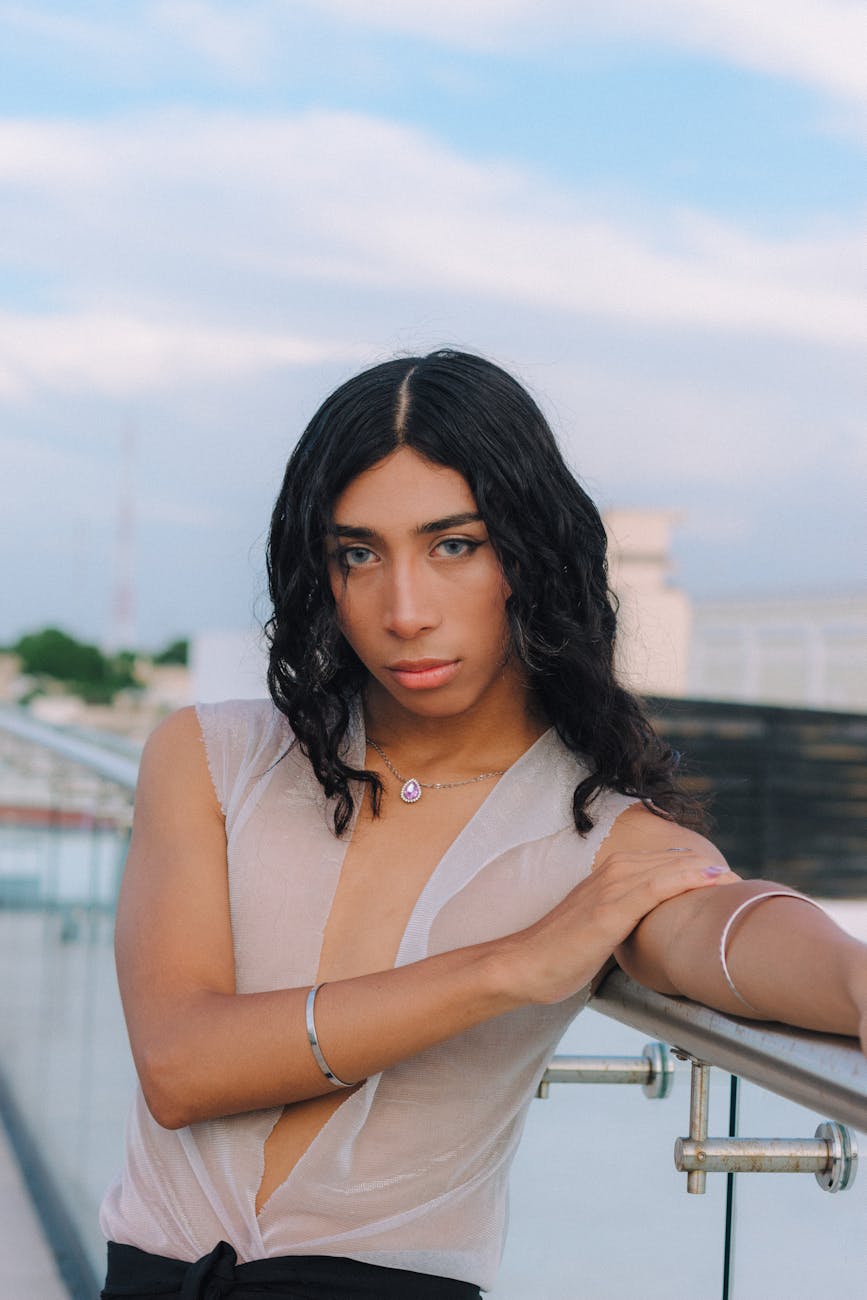
Photo by Mubariz Mehdizadeh on Unsplash
Frequently Asked Questions About Dressing as a Trans Man
What clothes make a trans man look more masculine?
There is no universal outfit that makes someone look masculine. Many people find that shirts fitting well at the shoulders, darker or straighter-cut pants, above-the-knee shorts, and structured layers help them feel more affirming. Focus on clothes that fit your body comfortably and reflect your own style.
Should trans men wear baggy clothes?
Baggy clothes are completely fine if they make you feel comfortable. However, extremely oversized clothing from head to toe can sometimes feel less balanced. Consider trying relaxed fits that still sit correctly at the shoulders, waist, and ankles.
What pants are best for transmasculine people with wider hips?
Dark jeans, trousers, straight-leg pants, and joggers with a comfortable but not overly low crotch can be useful options. Many people prefer pants that skim the hips rather than cling tightly or bunch heavily at the ankles.
How can a short trans man dress to look taller?
Try shorts that end above the knee, pants that do not bunch at the ankle, and joggers without an exaggerated drop-crotch cut. These choices can create a longer visual line. Most importantly, wear proportions that make you feel confident rather than restricted.