
Understanding Binding & Packing
Binding and packing are optional gender-affirming tools. Some trans men, transmasculine people, and non-binary people use one, both, or neither. The goal is not to follow a single transition checklist—it is to find what supports your comfort, presentation, and daily life.
On This Page
Binding
◆ What is it?
Chest binding uses a purpose-made binder or another compression garment to create a flatter chest contour. It can change how clothing fits and how the chest is perceived without requiring a permanent physical change.
◆ Why do it?
For some people, a flatter chest can make everyday movement, clothing, mirrors, photos, and social situations feel more comfortable. Others bind only occasionally—or not at all.
◆ Its impact on dysphoria
Binding may reduce chest dysphoria and help someone feel more at home in their presentation. It is a tool, not a requirement for being transmasculine or masculine.
Packing
◆ What is it?
Packing means wearing a prosthetic or soft object in underwear or packing gear to create the appearance or sensation of a bulge. Some devices add stand-to-pee or sexual functions.
◆ Why do it?
People pack for many reasons: appearance, body awareness, bottom-dysphoria relief, standing urination, intimacy, or simply because it feels right. There is no correct amount of realism or functionality.
◆ Its impact on dysphoria
For some people, packing makes clothing and movement feel more natural and can reduce bottom dysphoria. Others find it unnecessary, uncomfortable, or only useful in certain situations.
Safe Chest Binding Tips
How to Safely Bind Your Chest
When it comes to chest binding, following best practices is essential for maintaining comfort and safety. Here’s a breakdown of key guidelines:
Choosing the Right Binding Method
Different bodies need different amounts and styles of compression. A method that feels secure for one person may be painful or ineffective for another. Rainbow Health Ontario notes that binding options differ in safety, comfort, and effectiveness, and that chest size and body type can affect what works best.
Purpose-Made Binders
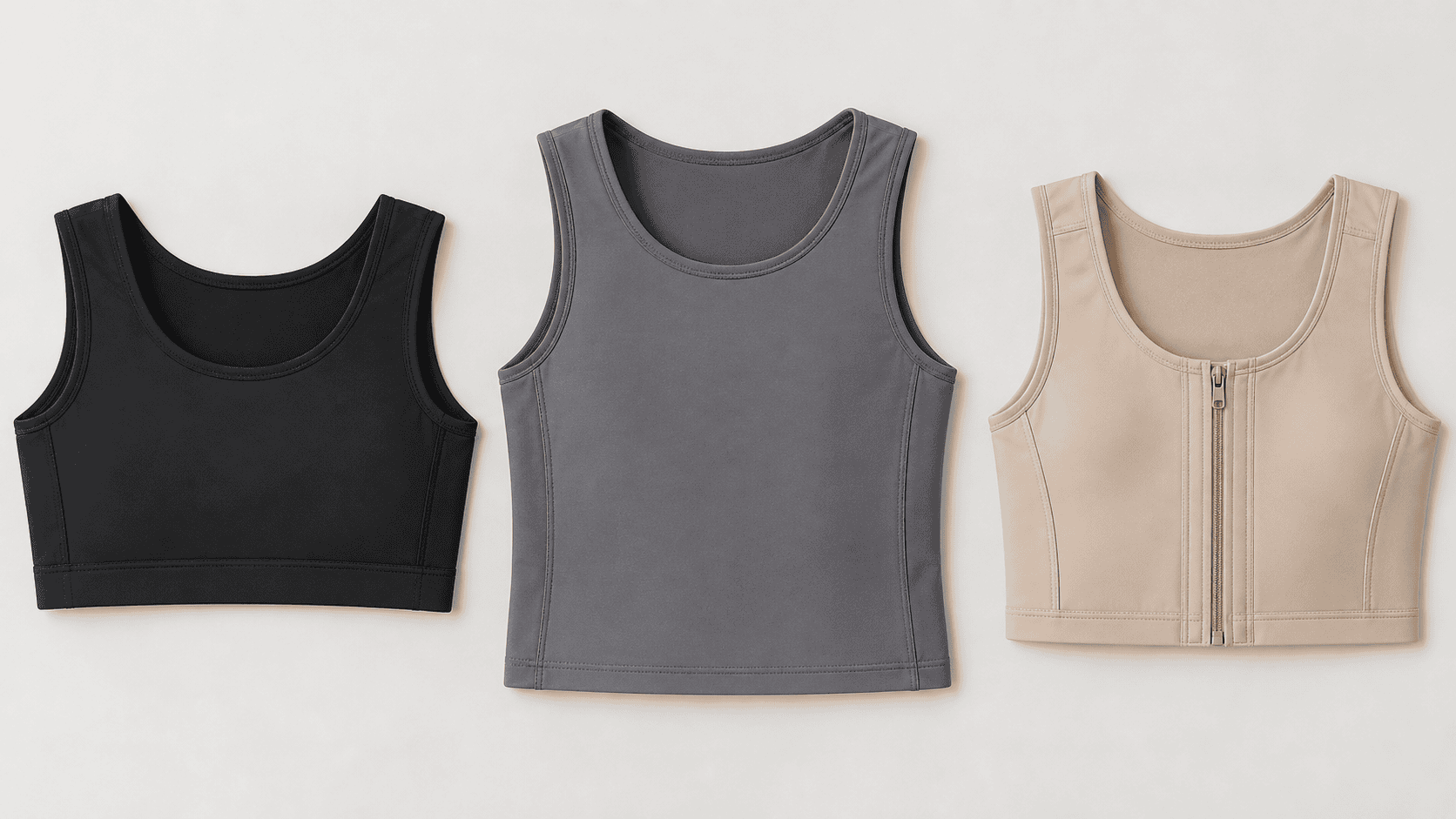
Half-length and full-length binders are designed specifically for chest compression. They are usually the easiest option to size consistently because reputable manufacturers publish measurement charts.
Compression Garments
Medical compression shirts, athletic compression tops, and some high-support sports garments may provide a lower-compression alternative. They can be useful when a standard binder feels too restrictive.
Clothing & Lower-Compression Options
Layering shirts, using structured fabrics, or combining a comfortable compression top with clothing choices can change chest contour without maximizing compression. This can be useful for long days or days when your body needs a break.
Avoid improvised methods that tighten as you move or breathe. Elastic bandages, plastic wrap, duct tape, and similar materials can create uneven or escalating compression. If you are considering a binding-specific adhesive product, follow that product’s instructions carefully and stop if the skin becomes painful, blistered, or damaged.
How a Binder Should Actually Fit
A binder should feel snug and supportive, not painful. You should be able to take a full breath, move your arms, sit, stand, and walk without sharp pain or a feeling that the garment is cutting into your ribs or skin.
If you fall between sizes, do not automatically size down in pursuit of a flatter result. Use the manufacturer’s measurement instructions and contact the company if its sizing chart is unclear. Different brands can fit very differently even when the label size is the same.
A reasonable fit should allow you to:
- Take a deep breath without pain.
- Raise and move your arms normally.
- Keep the lower band from digging sharply into your ribs.
- Avoid numbness, tingling, pinching, or skin folding that becomes painful.
- Remove the binder without feeling trapped in it.
When to Stop Binding
Take the binder off and reassess if you develop:
- difficulty taking a full breath or new shortness of breath
- sharp or persistent chest, rib, back, or shoulder pain
- ongoing numbness or tingling
- significant rash, broken skin, sores, or blistering
- dizziness, faintness, or symptoms that do not improve after removing the binder
Trans Care BC specifically recommends seeing a clinician for pain, breathing difficulty, ongoing numbness/tingling, rash, or sores.

Choosing the Right Size and Using It Properly
Use the sizing chart for the specific binder you are buying and measure exactly where the manufacturer tells you to measure. A binder should be snug, but you should still be able to breathe deeply and move without sharp pain, numbness, or significant restriction.
Put it on carefully and make sure the garment sits evenly rather than twisting, rolling, or pinching. Do not layer multiple binders or deliberately size down to increase compression.
Avoid elastic bandages, plastic wrap, duct tape, or other improvised materials that can tighten unevenly as you move. Binding-specific adhesive products are a separate category; if you use one, follow its instructions carefully and stop if the skin becomes painful, blistered, or damaged.
Remove the binder if you develop pain, breathing difficulty, numbness or tingling, significant skin irritation, or another symptom that feels wrong.
Recommended Wear Limits
Many trans-health resources and binder manufacturers use about eight hours as a practical upper guideline for a day of binding, but it is not a magic cutoff that is safe for every body. Your tolerance may be shorter, especially when you are new to binding, in hot weather, during illness, or if you have pain, breathing problems, or another condition affected by compression.
Do not sleep in a binder. Give your chest, skin, shoulders, and back regular time without compression. For strenuous exercise, consider a lower-compression option that allows full breathing and movement rather than simply wearing your everyday binder tighter.
Persistent pain is not something to push through. Remove the binder and give your body time to recover if you develop significant pain, breathing difficulty, numbness or tingling, rash, sores, or other symptoms that continue after the binder is off.

Binding in Real Life
Safe binding is not only about the garment itself. Your schedule, weather, activity level, and ability to take breaks can change how a binder feels over the course of a day.
Work & School
For long days, build in binder-free time when you can. If privacy is limited, consider carrying a looser shirt or lower-compression layer so you have an alternative if discomfort starts.
Exercise
Exercise increases breathing demand and body heat. A lower-compression sports option is often more comfortable than an everyday binder. Stop if you cannot breathe or move normally.
Heat & Travel
Heat, humidity, long drives, and flights can make compression feel more intense. Hydrate, take breaks when possible, keep the skin dry, and have a backup layer available.
Sleep: do not sleep in a chest binder. Sleeping removes your ability to notice and respond quickly to increasing pain, restricted breathing, or skin irritation.

Health & Accessibility Considerations
Some health conditions or disabilities can make compression harder to tolerate. Rainbow Health Ontario specifically advises extra caution for people with conditions such as asthma, scoliosis, lupus, or fibromyalgia. That does not automatically mean you cannot bind; it means the safest method may require lower compression, shorter wear, different closures, or individualized advice.
Consider alternatives if you have:
- asthma or another breathing condition
- chronic rib, back, shoulder, or chest-wall pain
- scoliosis or another condition affecting the spine/chest wall
- skin conditions that worsen with heat, friction, or trapped moisture
- limited shoulder mobility or difficulty getting a pull-over binder on and off
Adaptations may include:
- a front-closure or step-in style that is easier to remove
- a less compressive garment
- shorter wear periods with more frequent breaks
- moisture-wicking layers to reduce skin friction
- asking a clinician, occupational therapist, or other knowledgeable professional for individualized help

How to Care for Your Binder
Wash your binder regularly to reduce sweat, oil, odor, and skin irritation. Cleaning also helps preserve the garment’s shape and elasticity. Follow the manufacturer’s care instructions because materials differ; many binders last longer when washed gently and air-dried rather than exposed to high heat.
Inspect the seams, stretch panels, closures, and fabric as the binder ages. A binder that has permanently stretched out may stop providing useful compression, while damaged seams or rough areas can rub the skin.
Testosterone therapy can increase skin oiliness and acne for some people, so keeping both the binder and the skin underneath it clean can be especially helpful if you are acne-prone.
Packing Tips for Transmasculine Men



Choosing Your First Packer
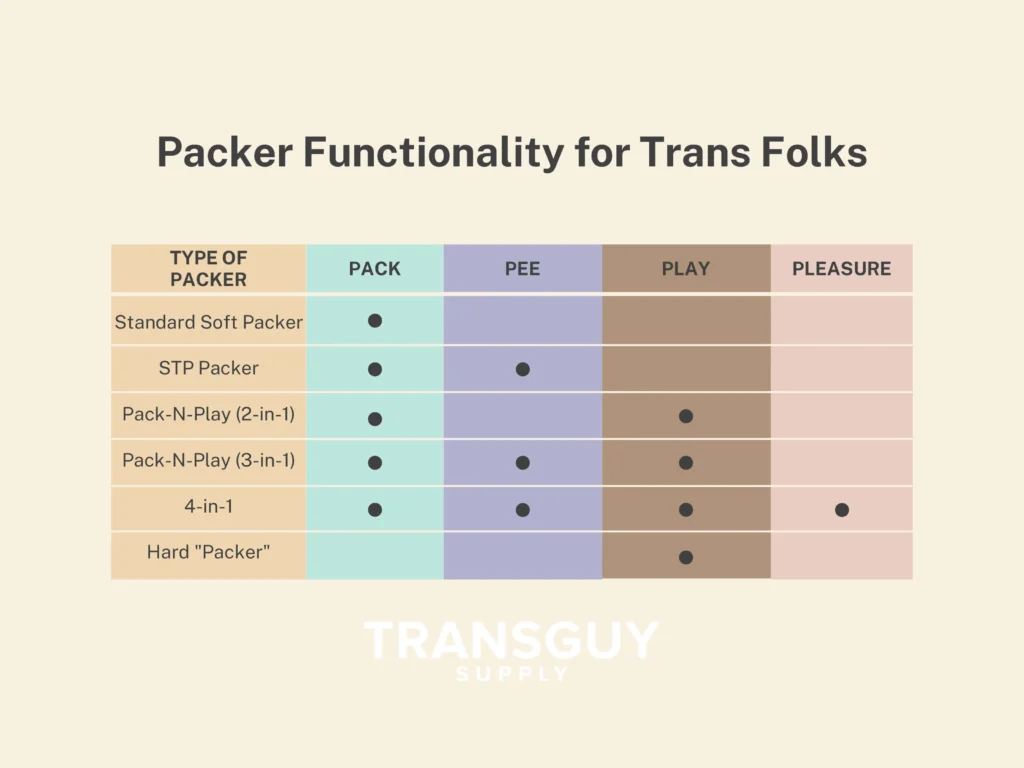
Start with the function you actually want rather than the most realistic or feature-heavy product. Fenway Health notes that packers vary widely in cost, style, material, size, and function.
1. Function
Do you want an everyday bulge, an STP, a device for intimacy, or a multi-function product? More functions can mean more cost, weight, stiffness, and a steeper learning curve.
2. Size & Weight
Bigger is not automatically more realistic. A lighter or smaller packer is often easier to position, more discreet under clothing, and more comfortable for all-day wear.
3. Daily Routine
Think about the underwear and pants you normally wear, how active you are, whether you need easy removal, and whether you are comfortable using a harness, pouch, adhesive system, or built-in pocket.
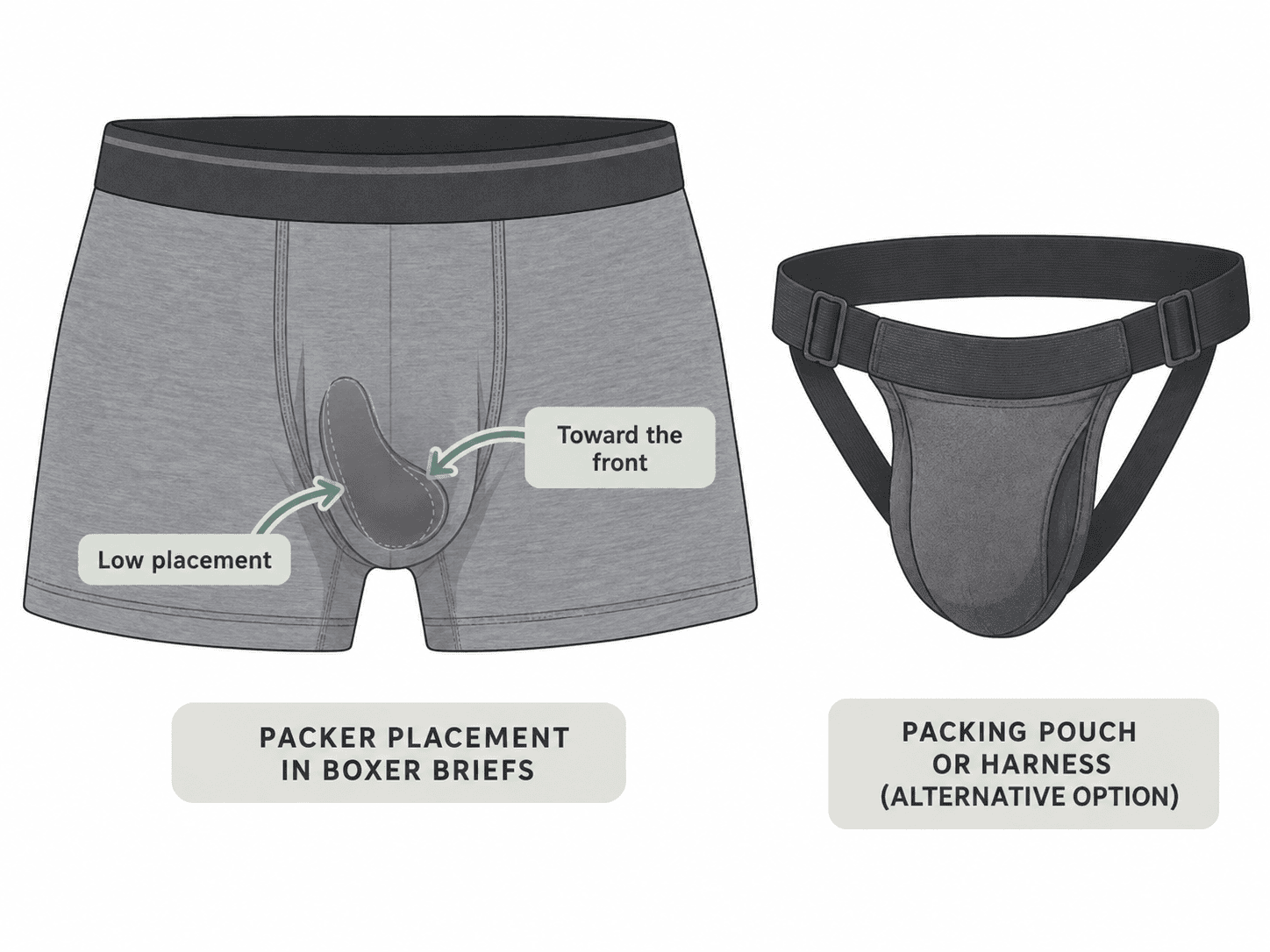
How to Position & Secure a Packer
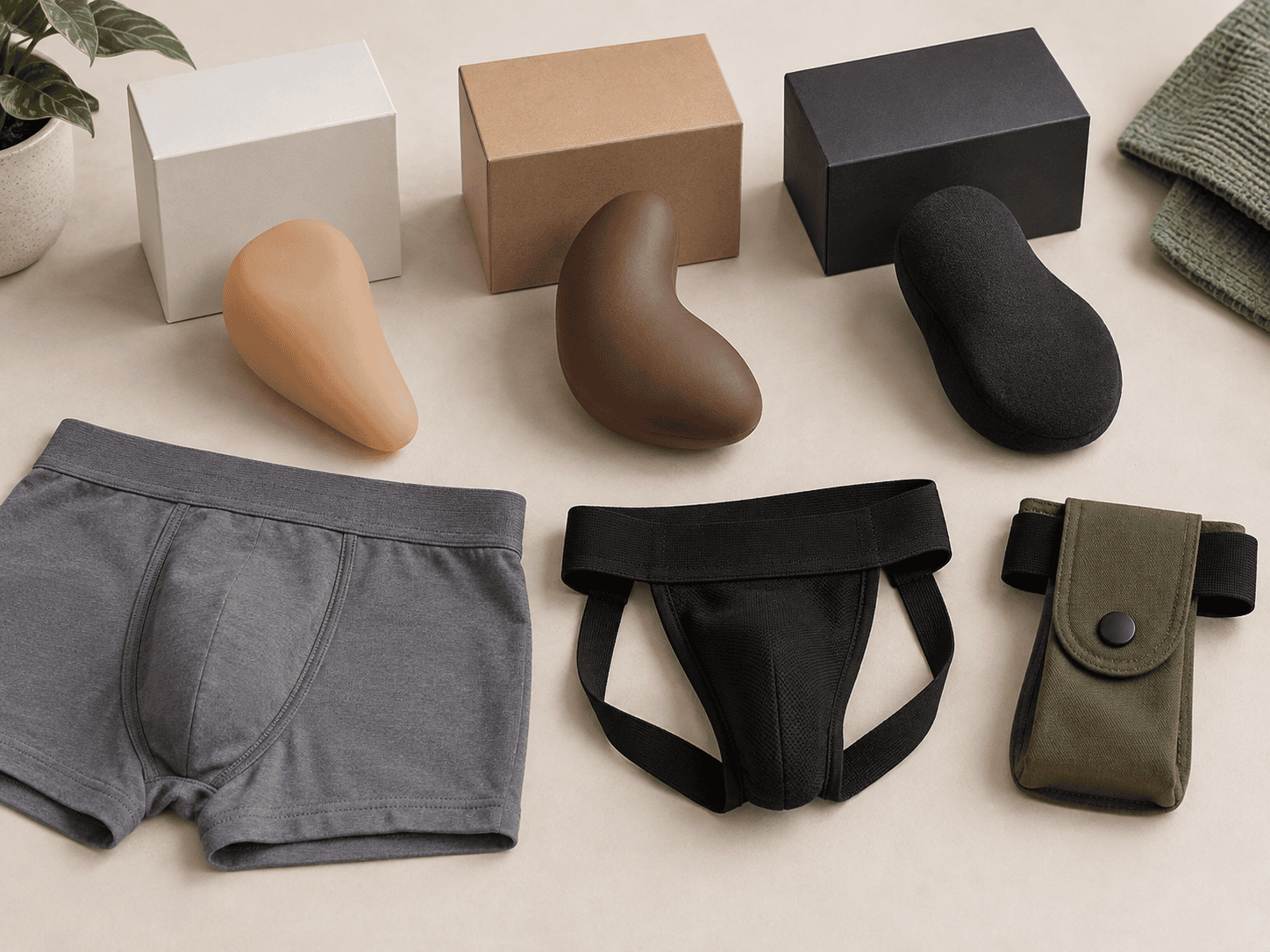
There is no single correct position. The goal is a placement that feels comfortable, stays reasonably stable, and creates the look you want under your clothing.
- Start lower than you think you need; positioning too high can create an exaggerated bulge.
- Test the packer while sitting, walking, climbing stairs, and bending—not just while standing in front of a mirror.
- If it shifts, try a pouch, packing underwear, a harness, or a different underwear cut before assuming the packer itself is wrong.
- Check for rubbing, trapped moisture, pressure points, or adhesive irritation during longer wear.
Using an STP: Practice Before You Depend on It
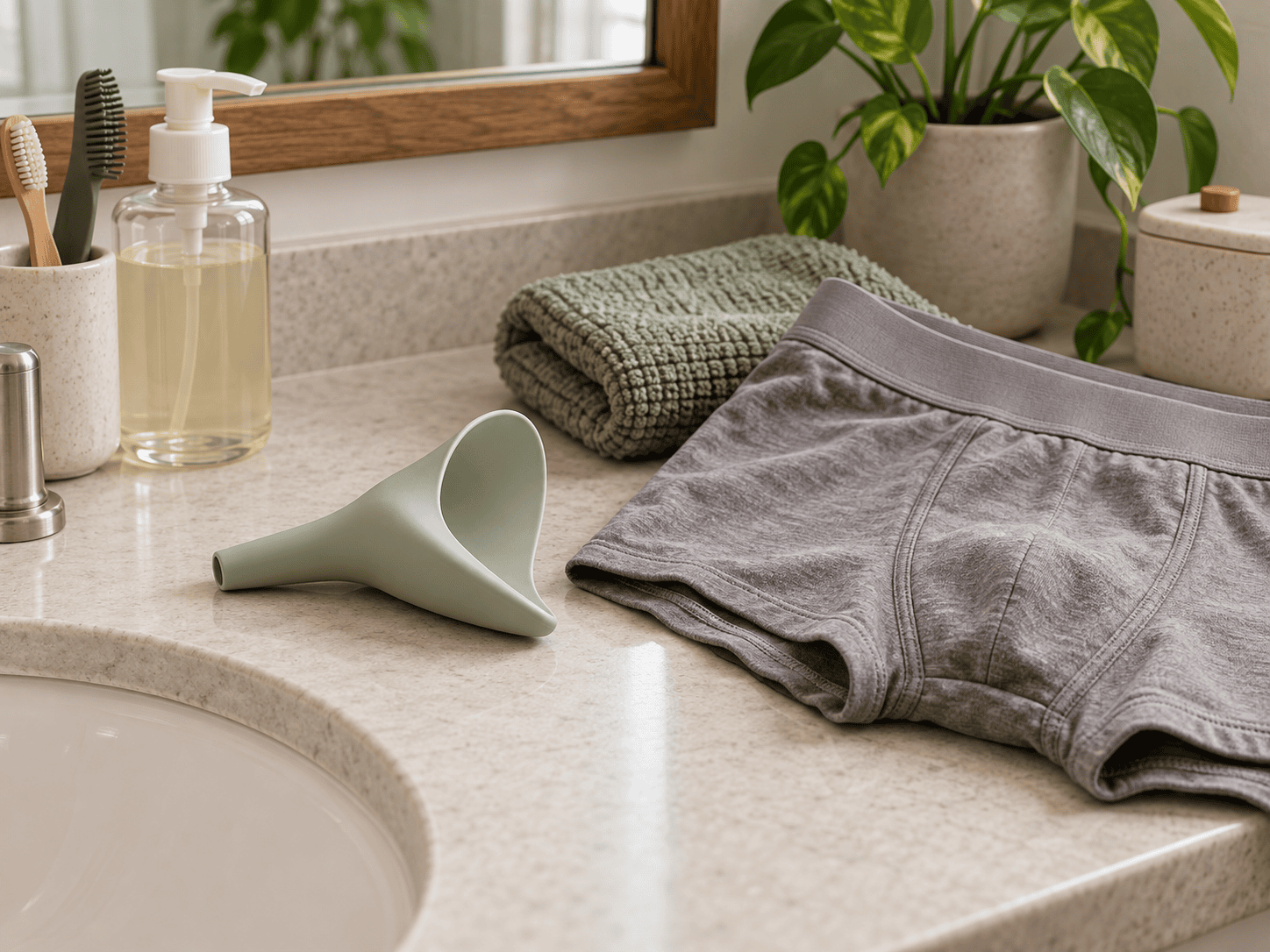
STPs can take practice even when the product is a good fit. Anatomy, device shape, clothing, and placement all affect the seal and urine flow, so a leak while learning does not mean you are doing something wrong.
Practice progression
- Practice at home without pants until you understand the cup/funnel placement.
- Try it with the underwear or harness you plan to use.
- Add loose clothing before trying more fitted pants.
- Practice controlling flow rather than rushing.
- Only rely on it in public once you feel comfortable recovering from a small leak if one happens.
Common problems
- Backflow or overflow: the stream may be faster than the funnel can drain.
- Leaking at the seal: placement may need adjustment.
- Awkward clothing access: test the device with your actual fly, zipper, waistband, or packing underwear.
- Residual urine: follow the manufacturer’s cleaning instructions and rinse/clean the device after use as directed.
Packer Materials, Cleaning & Skin Safety
Packers are made from different materials, so there is no universal cleaning method. Fenway Health recommends following the specific care instructions from the company that made the device; STPs and multifunctional products that come into contact with bodily fluids need especially regular, thorough cleaning.
After routine wear
- Clean the packer as often as the manufacturer recommends.
- Let it dry completely before storage.
- Wash pouches, harnesses, and packing underwear regularly.
- Inspect the surface for tears, tackiness, cracking, odor, or other material changes.
Skin & sexual health
- Stop or adjust use if you develop persistent chafing, rash, or broken skin.
- If a packer is used for sexual activity, consider barrier protection as appropriate.
- Do not share a device used for sexual activity without appropriate cleaning and barrier precautions. Rainbow Health Ontario notes that shared packing devices can transmit HIV and other STIs.
Find a Packer That Fits Your Routine
Ready to compare packing options? Browse the current FTM Shop selection, then choose based on function, comfort, size, and the way you actually plan to wear it—not just realism.
Frequently Asked Questions
These are general educational answers. Individual bodies, health conditions, products, and manufacturer instructions vary.
How long can I safely wear a chest binder?
About eight hours is a commonly used upper guideline, but it is not a universal guarantee of safety. Some people need shorter wear periods. Pain, breathing difficulty, numbness, skin injury, heat, illness, or an underlying condition are reasons to remove it sooner.
Can I sleep in a binder?
No. Sleeping in a compression binder is not recommended because you may not notice worsening pressure, breathing restriction, or skin irritation quickly enough to respond.
Can I exercise in a binder?
High-intensity exercise increases breathing demand and body heat. A lower-compression sports option is generally more practical than an everyday binder. Whatever you wear should allow normal breathing and movement.
How do I know if my binder is too small?
Warning signs include pain, inability to take a full breath, numbness or tingling, sharp pressure at the ribs or armholes, skin breakdown, or difficulty getting the garment off. Do not size down simply to chase a flatter result.
Can binding permanently change my chest or ribs?
Frequent or prolonged compression can contribute to pain, skin problems, and musculoskeletal symptoms, and may affect chest tissue or skin over time. The amount of long-term change varies and the evidence base is still developing. Persistent symptoms deserve medical evaluation.
What size packer should I start with?
There is no correct size. For a first packer, comfort and ease of positioning often matter more than maximum realism. Smaller or lighter options can be easier to wear discreetly and keep in place.
How do I keep a packer from moving around?
Packing underwear, pouches, harnesses, snug underwear, and some adhesive systems can improve stability. Test the setup while sitting, walking, bending, and using stairs before relying on it for a full day.
How do I clean a packer or STP?
Follow the manufacturer’s material-specific instructions. Products exposed to urine or sexual fluids need regular thorough cleaning, complete drying, and inspection for damage. Wash any pouch, harness, or packing underwear regularly too.
Trusted Resources
Binding
- Trans Care BC — Chest Binders: practical fit, wear, skin, and symptom guidance.
- Fenway Health — Binding Guide: binder styles, fitting, FAQs, and safer-use information.
- Rainbow Health Ontario — Bind Safe: educational binding resources.
Binding & Packing
- Rainbow Health Ontario — Social Transition Tools for Transmasculine Folks: practical overview of binding and packing.
- UCSF Gender Affirming Health Program — Binding, Packing & Tucking: clinical overview.
- Fenway Health — Packers & STPs Guide: packer types, STPs, gear, care, and FAQs.
A Brief Health Disclaimer
Finding True Masculinity provides general educational information, not individualized medical diagnosis or treatment. Binding and packing affect people differently, and product instructions vary. If you develop persistent pain, breathing difficulty, numbness, skin breakdown, urinary symptoms, infection concerns, or another significant problem, stop the activity or product involved and seek appropriate medical care.