Living as a trans man can involve identity, transition, relationships, safety, self-expression, and everyday life all at once. For some people, they knew very young that being treated as a girl did not fit. Others only found the language for their experience later, sometimes in college or adulthood. There is no single timeline, personality, or transition path that defines trans men.
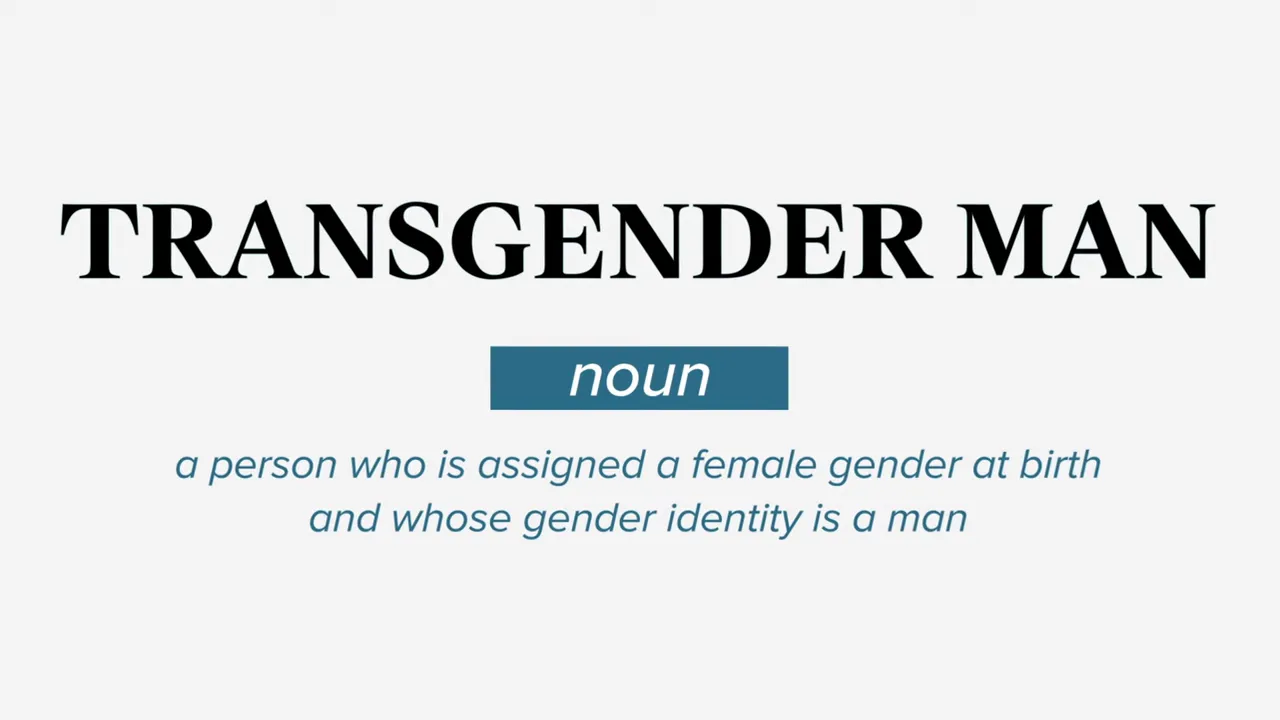
If you are trying to understand what it means to be a trans man, support someone in your life, or navigate dating as a trans masculine person, the most important starting point is simple: a trans man is a man who was assigned female at birth.
That definition is straightforward, but the lived experience can be complex. Some trans men pursue medical transition. Some do not. Some are very masculine. Some are not. Some date within the LGBTQ community. Some date across many identities. Being trans is one part of a person, not the whole story.
Table of Contents
- What does it mean to be a trans man?
- How trans men often realize their identity
- There is no one right way to transition
- Dating as a trans man
- Questions people should not ask trans men
- Misconceptions about trans men
- How to support a trans man well
- Coming out and safety matter more than speed
- What many trans men wish people understood
- Practical dating checklist for trans men
- FAQ
- The takeaway
What does it mean to be a trans man?
A trans man is someone who identifies as male after being assigned female at birth. You may also see terms like transgender man, trans male, or transmasculine, though those terms are not always identical and some people prefer one over another.
At the center of this identity is the difference between assigned sex at birth and gender identity. Many people are assigned female or male at birth based on their body. For trans people, that assignment does not fully match who they know themselves to be.
That does not make a trans man “partly male” or “becoming male.” If someone is a man, he is a man.
If you are still figuring out language around trans identity, a glossary like this guide to trans terms can help make conversations clearer and more respectful.
How trans men often realize their identity
There is no universal “sign” that proves someone is trans, but many trans men describe a long pattern of discomfort with being seen as female and a strong pull toward being recognized as male.
That realization can show up in different ways:
-
Feeling out of place in gendered spaces
-
Rejecting clothing or roles associated with girlhood
-
Feeling relieved or excited when perceived as male
-
Not identifying with other girls or with expectations placed on them
-
Only later discovering that transition is possible, then recognizing themselves in that experience
For some, the feeling is clear in childhood. For others, it takes years to understand. Not knowing early does not make someone less valid. Many people do not have the language, role models, or support needed to recognize themselves right away.
If you are questioning, it can help to focus less on “proving” your identity and more on patterns. What feels wrong? What feels affirming? What name, pronouns, presentation, or future image brings relief? If that resonates, this article on how to know if you are trans may be a useful next step.
There is no one right way to transition
Transition is not a single event. It can include social changes, medical care, legal steps, or none of the above. Every trans man builds his own path based on need, access, safety, and personal goals.
Social transition
Social transition can include:
-
Using a different name
-
Changing pronouns
-
Cutting or styling hair differently
-
Wearing clothes that feel more affirming
-
Asking others to recognize and address you as male
Some people make these changes all at once. Others experiment gradually. It is common to try different names or pronouns before landing on what feels right.
Medical transition
Some trans men choose medical transition, which may include hormone therapy, surgery, or both. Hormones can be an important step for people who want their body to align more closely with how they see themselves. Surgery may also be part of that process for some people.
Not every trans man wants or can access medical transition. Cost, insurance, health, location, family pressure, and personal preference can all shape the decision. A person does not need hormones or surgery to be “really” trans.
Transition can change over time
Many people begin transition with a very strict idea of how they need to look in order to be recognized as male. Later, as confidence grows, self-expression may expand too. A trans man can be masculine, feminine, both, or neither. Gender expression does not cancel gender identity.
Dating as a trans man
Dating can bring up questions that cis people rarely have to think about. When should you disclose? How much should you share? How do you stay safe? What if someone does not understand trans identity?
There is no perfect script, but there are a few patterns that often help.
Disclosure is personal
Some trans men prefer to mention they are trans on dating profiles. Others wait until they have established some rapport. Both approaches can make sense.
Listing it on a profile can:
-
Filter out people who are not open or respectful
-
Reduce the pressure of a later disclosure conversation
-
Make early conversations feel more honest and direct
Waiting to disclose can:
-
Give you more control over when and how to share
-
Allow a person to get to know you first
-
Help you judge whether someone seems emotionally safe
The best choice depends on your comfort level, goals, and safety concerns.
Online dating can offer more control
Many trans men find online dating easier than in-person disclosure because it gives them more time to decide what to say and how to say it. Apps can also let potential matches know key information upfront, which reduces surprise and can lead to more grounded conversations.
If dating apps are part of your approach, using a platform like Tinder may be one option, especially if you want to be clear in your profile and connect with people who are already comfortable with your identity.
Many trans men prefer partners who understand gender complexity
Some trans men feel more comfortable dating people within the LGBTQ community because there may already be a shared understanding that gender is not one-size-fits-all. That does not mean relationships with cis straight partners cannot work. It just means familiarity with queer identities can reduce the burden of constant explanation.
A good partner is curious, respectful, and not entitled
You do not need someone who knows everything about trans issues from day one. You do need someone willing to learn without treating you like a lesson plan.
Green flags include:
-
Using your name and pronouns correctly
-
Asking what language feels comfortable
-
Respecting privacy around your body and transition
-
Doing their own research instead of expecting you to explain every basic concept
-
Seeing you as a whole person, not a novelty
Questions people should not ask trans men
One of the most common frustrations trans people face is invasive curiosity. Being trans does not make someone publicly available for personal questioning.
Questions to avoid, especially early on, include:
-
Anything about genitals
-
Questions about surgeries or hormone use unless the person has invited that discussion
-
“What were you before?”
-
Questions that treat being trans as a phase or a choice
If you are getting to know a trans man romantically, discussions about bodies and sexual boundaries may become important later, just as they do in any relationship. The difference is that those conversations should happen with consent, relevance, and trust, not as casual interrogation.
For many people, it helps to remember a simple rule: if you would not ask a cis person that question right away, do not ask a trans person either.
Misconceptions about trans men
Search results on this topic often flatten trans men into stereotypes. A better understanding starts with clearing up a few common myths.
Myth: All trans men knew from early childhood
Some did. Some did not. Many only recognized their identity after meeting other trans people or learning that transition was possible.
Myth: Transition happens overnight
Transition is usually gradual. Physical changes, social changes, and emotional adjustment all take time.
Myth: All trans men want the same medical steps
False. Some want hormones and surgery. Some want one but not the other. Some want neither.
Myth: A trans man has to look a certain way to be male
Voice, body shape, chest, hair, and style do not determine whether someone is a man.
Myth: Being trans is the only important thing about a person
It can be a deeply meaningful part of identity, but it is still one part. Trans men also have ordinary lives, routines, relationships, work, hobbies, and personalities.
How to support a trans man well
If someone in your life comes out as a trans man, the most useful response is respect paired with consistency.
Support looks like:
-
Believing what he tells you about himself
-
Using his name and pronouns
-
Not making his identity about your confusion
-
Understanding that you may not fully “get it” right away, and learning anyway
-
Recognizing that safety and timing matter when it comes to coming out or transitioning
You do not need perfect expertise to be supportive. You do need humility. If you make a mistake, correct it and move on. If you are unsure about a term or topic, do some research first instead of asking someone to carry the full burden of your education.
For a broader set of support options, mental health tools, and community resources, this transmasculine resource hub can be helpful.
Coming out and safety matter more than speed
For people questioning or preparing to transition, one of the most important truths is that urgency and safety are not the same thing. It is natural to want relief immediately, but not everyone is in a position to come out safely at home, at school, or at work.
If your environment feels unsafe, waiting can be a valid choice. Delaying a public transition is not failure. It can be a survival decision.
During that time, some lower-risk steps may still help:
-
Testing a name or pronouns with trusted friends
-
Journaling about dysphoria and affirmation
-
Exploring clothing or grooming changes privately
-
Finding community online or locally
-
Learning about healthcare options in advance
If dysphoria is part of what you are dealing with, learning more about it can make your feelings easier to name. This overview of gender dysphoria is a good place to start.
What many trans men wish people understood
Several themes come up again and again in trans male experiences.
-
They are not asking for special treatment. They want to be recognized accurately.
-
Being trans is not a trend or a whim. For many, it is a truth they uncover over time.
-
There is no one trans narrative. Some are close to the gender binary. Some are not. Some are masculine in conventional ways. Some are not.
-
Respect does not require complete understanding. People can learn while still honoring someone’s identity.
-
Trans lives include ordinary joy. Work, dating, errands, pets, friendships, and routines are part of the picture too.
That last point matters. Discussions about trans men often become narrowly focused on transition or conflict. In reality, being a trans man also means being a person with a full life.
Practical dating checklist for trans men
If you want something actionable, this framework can help:
Before matching or meeting
-
Decide whether you want to disclose in your profile
-
Think about your boundaries around body questions
-
Choose photos and language that feel like you
During early conversations
-
Notice whether the other person is respectful and consistent
-
Watch for fetishizing language or invasive curiosity
-
Do not minimize red flags just because someone seems interested
Before a date
-
Tell a friend where you are going
-
Meet in a public place
-
Have your own transportation plan if possible
As things get more serious
-
Discuss language for your body and boundaries
-
Share only what you actually want to share
-
Pay attention to whether they treat your identity with care over time
FAQ
Can a trans man be feminine?
Yes. Clothing, mannerisms, voice, and style do not determine whether someone is a man. A trans man does not have to perform masculinity in a narrow way to be valid.
Do all trans men take testosterone?
No. Some do, some want to but cannot access it, and some do not want it at all. Medical transition is personal and does not define someone’s gender.
When should a trans man disclose that he is trans while dating?
There is no universal rule. Some disclose on their profile, some before a first date, and some later once trust has been established. Safety, comfort, and personal preference all matter.
Is it rude to ask a trans man about surgery or genitals?
Usually yes, especially if you have just met. Those are private topics. If a conversation about sexual compatibility or health becomes relevant, it should still happen respectfully and with consent.
Can someone realize they are a trans man later in life?
Absolutely. Some people know as children, while others only understand themselves after meeting trans people, learning the language, or seeing transition as a real possibility.
What is the best way to support a trans man?
Use his name and pronouns, believe what he tells you about himself, respect privacy, avoid invasive questions, and learn without making him responsible for all of your education.
The takeaway
Living and dating as a trans man does not follow one script. Identity may become clear early or later. Transition may be social, medical, both, or neither. Dating may feel easier with upfront disclosure, or safer with more privacy. What matters most is that trans men are treated as who they are: men, with the same right to dignity, complexity, and ordinary human connection as anyone else.
If you are a trans man figuring things out, you do not need to have every answer immediately. If you care about a trans man, respect goes further than certainty. And if you are dating one, curiosity should never outweigh care.