
In recent years, discussions surrounding transgender rights and biological sex have intensified, prompting a need to explore what science says about trans people. This blog aims to provide a comprehensive understanding of the complexities of sex and gender, challenging oversimplified views that often marginalize trans experiences.
Table of Contents
- Seeing Sex & Gender
- Essentialism Explained
- The Distinction Between Sex and Gender
- Homogenizing vs Holistic Views
- The Multifaceted Nature of Sex
- Understanding Social Constructs of Sex
- The ‘Gender Critical’ Gamete Gambit
- Conclusion
- Does ‘Brain Sex’ Exist?
- Gender Identity vs. Gender Expression
- ‘Brain Sex’ Revisited
- Conclusion
- FAQ
Affiliate Disclaimer: Some of the links in this post are Amazon affiliate links. This means that if you click through and make a purchase, I may earn a small commission at no extra cost to you. I want to emphasize that I only recommend products that I personally use, trust, or believe will be valuable to you. My goal is to provide resources that align with the mission of this blog—to support and uplift the trans masculine community.
Seeing Sex & Gender
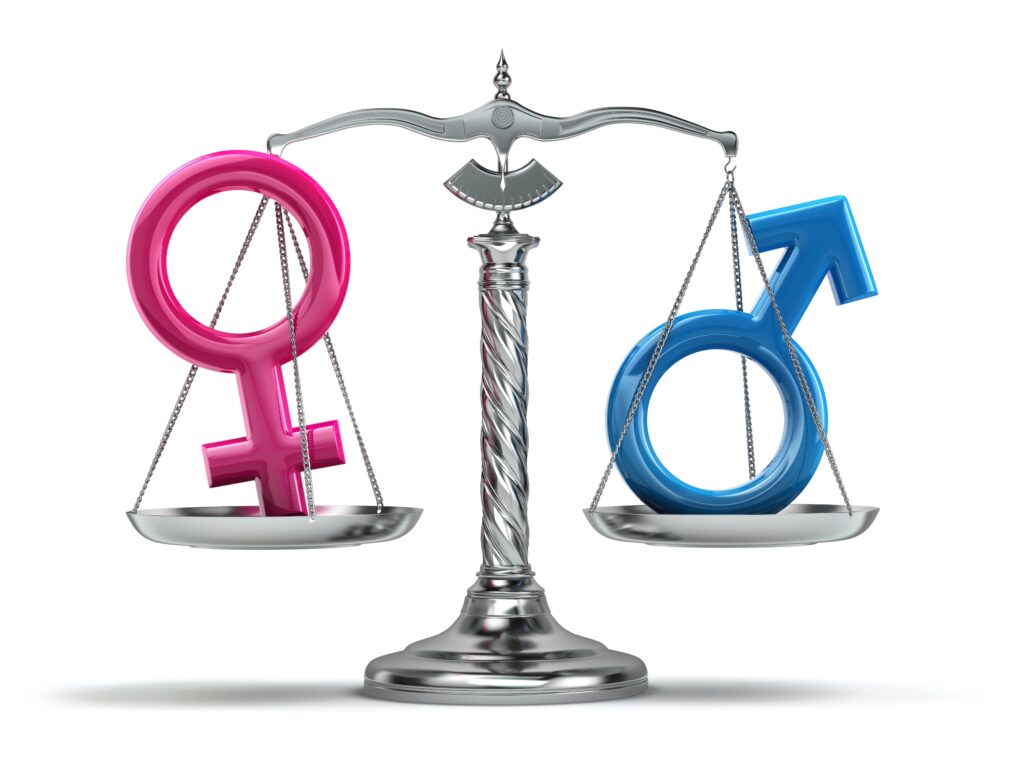
Understanding sex and gender requires looking beyond simplistic binaries. Traditional views often categorize individuals strictly as male or female, ignoring the complexities inherent in both biological and social identities. This binary perspective fails to capture the lived realities of many, particularly trans and non-binary individuals.
What science says about trans people reveals a more nuanced picture. Biological sex is not merely a matter of chromosomes or genitalia; it encompasses a spectrum of variations. Research shows that sex determination is influenced by a variety of genetic and environmental factors, which contribute to the diversity of human experiences.
The Role of Socialization
From a young age, individuals are socialized into specific gender roles. Children learn to associate certain behaviors, colors, and activities with their gender. This socialization process shapes their understanding of gender identity and expression. However, it is crucial to recognize that socialization does not dictate one’s inherent identity.
Studies indicate that children can exhibit fluidity in their gender identity before internalizing rigid norms. This suggests that gender is a learned behavior rather than a fixed trait. The implications of this fluidity challenge the notion of immutable biological sex, reinforcing the idea that gender is socially constructed yet deeply personal.
Neuroscientist Behave by Robert Sapolsky explores how biology, hormones, environment, culture, and socialization interact to shape human behavior. His work highlights why simplistic explanations of identity often fail to capture the complexity of real human experience.
Biological Complexity
The relationship between biological sex and gender identity is intricate. While chromosomes play a role in determining sex, they do not singularly define it. The presence of both XX and XY chromosomes can lead to a variety of physical and hormonal expressions, indicating that biology is not strictly binary.
For instance, intersex individuals demonstrate that biological sex exists beyond traditional definitions. Their experiences highlight the limitations of essentialist views that categorize people strictly into male or female. In this light, the scientific community increasingly acknowledges the spectrum of biological sex as a reality.
Essentialism Explained
Essentialism posits that all members of a category share inherent qualities. This mindset simplifies the complexities of sex and gender, leading to misconceptions about identity. The belief that men and women possess fixed essences ignores the variations and intersections that define human experience.
Research in psychology suggests that essentialist thinking often begins in childhood, where children categorize based on observable traits. However, this oversimplification neglects the rich tapestry of identities that exist outside these categories. It is essential to challenge essentialism to foster a more inclusive understanding of gender and sexuality.

Challenging Essentialist Views
Critics argue that essentialism fails to account for the diversity within categories. For example, while essentialists may claim that all men are inherently aggressive, countless men defy this stereotype. The same applies to women and femininity. Such claims reduce individuals to mere caricatures, stripping away their uniqueness.
Moreover, essentialist views often contribute to harmful stereotypes that perpetuate discrimination. By framing gender differences as innate, society legitimizes inequalities and justifies exclusionary practices. It is crucial to recognize that identity is shaped by a multitude of factors, including culture, environment, and personal experiences.
Julia Serano’s Whipping Girl explores the intersection of femininity, biology, and trans identity in a way that directly challenges simplistic binary thinking.
The Distinction Between Sex and Gender
The distinction between sex and gender has been a central debate in discussions about identity. While sex refers to biological attributes, gender encompasses the social roles and identities individuals adopt. This separation has been useful in advocating for transgender rights and recognition.
However, the sex-gender distinction can also create misunderstandings. Some argue that it reinforces a binary framework, suggesting that sex is static while gender is fluid. This perspective can inadvertently dismiss the experiences of those who do not conform to traditional gender norms.
Interconnectedness of Sex and Gender
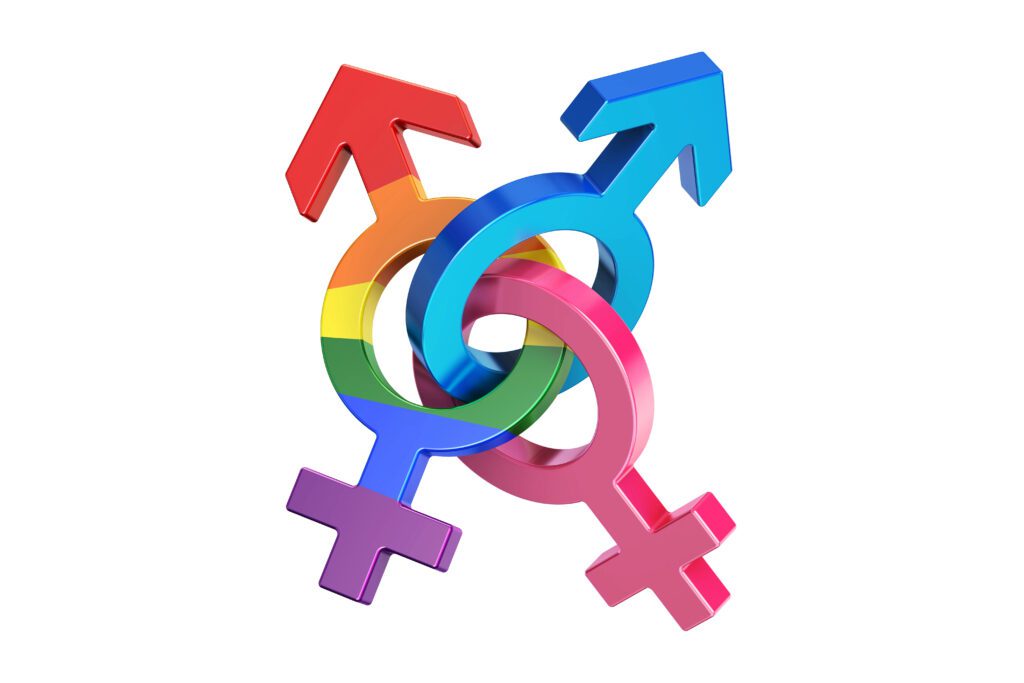
Research indicates that sex and gender are not entirely separable. Biological factors can influence gender expression, and societal expectations can shape perceptions of biological sex. This interconnectedness calls for a more holistic approach that recognizes the interplay between biology and socialization.
Trans individuals often navigate these complexities in unique ways. Their experiences highlight the limitations of rigid categories, demonstrating that identity is multifaceted and deeply personal. Acknowledging this complexity is vital for fostering understanding and acceptance.
Homogenizing vs Holistic Views
Homogenizing views simplify the diverse experiences of individuals into broad categories. This approach often leads to stereotypes and fails to account for the nuances of identity. In contrast, a holistic perspective embraces the complexity of human experience, recognizing that multiple factors shape who we are.
What science says about trans people supports a holistic approach. Research emphasizes the importance of considering biological, social, and personal factors in understanding gender identity. This perspective encourages an appreciation for the diversity of experiences that exist beyond binary classifications.
Embracing Complexity
To foster a more inclusive society, we must embrace the complexities of sex and gender. This involves challenging essentialist beliefs and recognizing the limitations of binary thinking. By adopting a holistic view, we can better understand and support the diverse identities within the transgender community.
Such an approach not only enhances our understanding of trans experiences but also enriches our conversations about gender more broadly. It allows for a more compassionate and informed dialogue, paving the way for greater acceptance and equality.
Moving Forward
As we continue to explore what science says about trans people, it is essential to remain open to new insights. The understanding of sex and gender is an evolving field, and ongoing research will undoubtedly shape our perspectives. By staying informed and engaged, we can contribute to a more equitable society for all individuals.
The Multifaceted Nature of Sex
Sex is not a monolithic concept; it encompasses a variety of traits that can differ significantly among individuals. These traits can include primary sex characteristics, like chromosomes and reproductive organs, as well as secondary sex characteristics, which develop during puberty. The variability in these traits demonstrates that sex exists on a spectrum rather than a strict binary.
For example, intersex individuals represent a group that challenges traditional definitions of sex. They possess a combination of male and female traits, highlighting the limitations of a binary framework. Understanding this complexity is essential when discussing what science says about trans people.
Variability in Biological Sex
Biological sex is often perceived as fixed, but research indicates that it is highly variable. The presence of XX or XY chromosomes does not guarantee a specific set of physical traits. Hormonal influences and genetic interactions create a diverse array of outcomes.
Studies show that traits like height, muscle distribution, and fat placement can overlap between sexes. This variability means that many individuals may not fit neatly into male or female categories. Recognizing this variability is crucial for understanding the experiences of trans individuals.

Malleability of Sex Characteristics
Sex characteristics are not just diverse; they are also malleable. Hormonal treatments can significantly alter secondary sex characteristics, allowing trans individuals to align their physical appearance with their gender identity. This capacity for change challenges essentialist views that insist on a fixed definition of sex.
Moreover, advancements in medical procedures enable further modifications to primary sex characteristics. These developments underscore the idea that sex is not merely a biological fact, but something that can be shaped by personal choices and societal influences.
Understanding Social Constructs of Sex
The concept of sex is not only biological but also deeply embedded in social constructs. Society often assigns sex based on visible traits, such as genitals or secondary sex characteristics. However, these traits do not encompass the full complexity of an individual’s identity.
What science says about trans people emphasizes the role of social norms in defining sex. For instance, a person’s gender identity may not align with societal expectations based on their assigned sex at birth. This discrepancy illustrates how societal perceptions can shape our understanding of biological realities.
Social Norms and Their Impact
Societal norms dictate which traits are considered significant when determining sex. While primary sex characteristics are often the basis for initial categorization, secondary characteristics play a more substantial role in everyday interactions. This reliance on visible traits can lead to misunderstandings and misclassifications.
For many trans individuals, transitioning involves aligning their external appearance with their internal sense of self. The ability to navigate these social constructs is essential for their acceptance and recognition within society.
The ‘Gender Critical’ Gamete Gambit
Recently, gender critical activists have focused on gametes—eggs and sperm—as a primary determinant of sex. This perspective attempts to reinforce binary definitions by emphasizing reproductive capabilities. However, this view overlooks the complexities involved in defining sex.

What science says about trans people indicates that relying solely on gametes to categorize individuals is inadequate. The reality of human experience is far more intricate than a binary classification based on reproductive capabilities. Many individuals, including trans and intersex people, may not fit neatly into these categories.
Challenging the Gamete Gambit
The insistence on gametes as the ultimate arbiter of sex brings to light the social construction of these categories. In everyday life, the determination of someone’s sex often occurs without knowledge of their reproductive capabilities. Instead, it relies on observable traits and societal norms.
This focus on gametes also raises questions about the relevance of such a narrow definition. Can we truly define someone’s identity based solely on their biological functions? The answer, as supported by scientific research, is no. Identity is multifaceted and cannot be reduced to reproductive roles.
As we delve deeper into the complexities of sex and gender, it becomes increasingly clear that a holistic approach is necessary. Understanding what science says about trans people requires us to move beyond simplistic definitions and embrace the diversity of human experiences.
By recognizing the interplay of biological, social, and personal factors, we can foster a more inclusive society. Each individual’s journey is unique, and acknowledging this complexity is essential for promoting acceptance and understanding.
Does ‘Brain Sex’ Exist?
The concept of ‘brain sex’ is often debated within scientific and social circles. Proponents of essentialist views may support the idea that inherent differences exist in the brains of men and women, suggesting that these differences influence gender identity and behavior. However, this notion is not universally accepted, particularly among those who advocate for a more nuanced understanding of gender.
In Delusions of Gender, psychologist Cordelia Fine examines the scientific evidence surrounding sex differences in the brain and critiques overly simplistic “male brain vs female brain” narratives that are often used to reinforce rigid gender assumptions.
Research indicates that while certain brain structures may show sexual dimorphism, the relationship between brain structure and gender identity is not straightforward. Studies have shown that the brains of transgender individuals can exhibit characteristics typical of their identified gender, but this does not imply a rigid biological determinism. Instead, it suggests a complex interplay of biology, environment, and personal experience.
Challenging the Essentialist Perspective
Essentialism posits that individuals possess fixed traits based on their sex, which can lead to misconceptions about the nature of gender identity. Critics argue that this viewpoint oversimplifies the diverse experiences of individuals. For example, the experiences of transgender individuals challenge the idea that gender identity is solely a product of socialization.

Research has shown that individuals assigned one gender at birth may develop a deep-seated understanding of their true gender, which can manifest in various ways. This understanding is often independent of societal norms and expectations, indicating that gender identity is not solely learned but may also have biological underpinnings.
Gender Identity vs. Gender Expression
Gender identity and gender expression are distinct yet interconnected elements of a person’s identity. Gender identity refers to an individual’s internal understanding of their gender, while gender expression encompasses how one presents their gender to the world. These facets may not always align, particularly in LGBTQIA+ individuals.
For example, a person may identify as a woman but express their gender in a way that society typically associates with masculinity. This dissonance illustrates that gender is not a binary construct but a spectrum of identities and expressions. Understanding this distinction is crucial for fostering acceptance and support for diverse gender identities.
The Spectrum of Gender Identity
What science says about trans people emphasizes that gender identity exists on a spectrum. Individuals may identify as male, female, both, neither, or anywhere along the continuum. This fluidity challenges the traditional binary understanding of gender and highlights the importance of recognizing and respecting each person’s self-identification.
Moreover, societal norms often dictate how individuals express their gender. This can lead to pressure to conform to specific roles, which may not align with one’s gender identity. Recognizing the difference between gender identity and expression allows for a more inclusive understanding of the complexities of gender.
‘Brain Sex’ Revisited
The exploration of ‘brain sex’ raises important questions about the biological basis of gender identity. While some studies have suggested that certain brain regions may differ between genders, these findings must be interpreted with caution. Correlation does not imply causation; thus, it is essential to consider how experiences and socialization may shape brain structure over time.
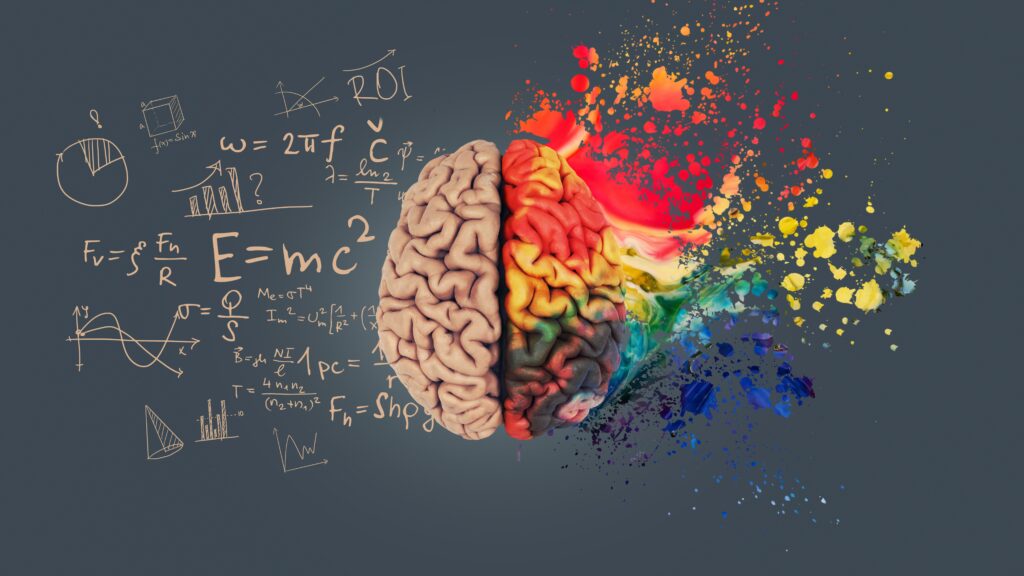
Moreover, the notion of ‘brain sex’ can inadvertently reinforce essentialist views that reduce the complexities of gender identity to mere biological differences. This perspective overlooks the rich tapestry of human experiences that contribute to our understanding of gender.
The Role of Environment and Experience
Environmental factors and personal experiences play a significant role in shaping gender identity. For many individuals, the journey of self-discovery involves navigating societal expectations and personal truths. This process can lead to a deeper understanding of one’s gender identity, often transcending biological determinism.
Trans individuals often report feelings of gender incongruence that are not solely explained by socialization. These feelings can be profound and deeply rooted, suggesting that gender identity is influenced by a combination of biological, psychological, and social factors.
Conclusion
Understanding what science says about trans people requires a willingness to embrace complexity. The interplay of biological, social, and personal factors creates a rich landscape of gender identities that cannot be reduced to simplistic binaries. By recognizing the multifaceted nature of gender, we can foster a more inclusive and accepting society.
As we continue to explore these themes, it is vital to remain open to new insights and perspectives. The ongoing evolution of our understanding of gender identity and expression reflects the diversity of human experiences and the importance of respecting each individual’s journey.

FAQs
What is the difference between gender identity and gender expression?
Gender identity refers to an individual’s internal sense of their gender, while gender expression is how they present their gender to the outside world. These two aspects may not always align, particularly in transgender and non-binary individuals.
Is ‘brain sex’ a valid concept?
The concept of ‘brain sex’ is controversial. While some studies suggest differences in brain structure between genders, it is essential to consider the influence of socialization and personal experiences. The relationship between brain structure and gender identity is complex and not fully understood.
How do societal norms affect gender identity?
Societal norms can dictate how individuals express their gender and may pressure them to conform to specific roles. These expectations can create tension for those whose gender identity does not align with societal standards, highlighting the importance of recognizing and respecting diverse identities.
Further Reading & Resources
If you’re interested in learning more about the science, psychology, sociology, and lived experiences surrounding gender identity, these books offer thoughtful and well-researched perspectives from a variety of disciplines and viewpoints.
Gender Identity, Trans Experience & Essentialism
- Whipping Girl by Julia Serano
A foundational exploration of trans identity, femininity, sexism, and the ways society essentializes gender. Particularly relevant to discussions of biological determinism and social perception. - Trans Bodies, Trans Selves
A comprehensive resource created by and for transgender people covering identity, healthcare, social issues, relationships, and transition. - Gender Queer by Maia Kobabe
A deeply personal graphic memoir exploring gender identity, dysphoria, and self-understanding in an accessible and emotionally resonant format.
Neuroscience, Psychology & Human Behavior
- Behave by Robert Sapolsky
An expansive and highly respected look at how biology, hormones, environment, culture, and socialization shape human behavior. Useful for understanding why simplistic explanations of identity often fail. - Delusions of Gender by Cordelia Fine
Examines the science behind sex differences and critiques overly simplistic “male brain vs female brain” narratives often used in discussions about gender. - The Righteous Mind by Jonathan Haidt
Explores why people form deeply different moral and ideological beliefs, helping explain why conversations around gender and identity can become emotionally and politically charged.
Society, Bias & Social Structures
- Invisible Women by Caroline Criado Perez
Investigates how gender bias becomes embedded in research, design, healthcare, and policy through the exclusion of women and marginalized groups from data collection. - The Body Keeps the Score by Bessel van der Kolk
While not specifically about gender identity, this influential work on trauma and the nervous system provides valuable context for understanding how lived experiences shape psychological wellbeing and self-perception.