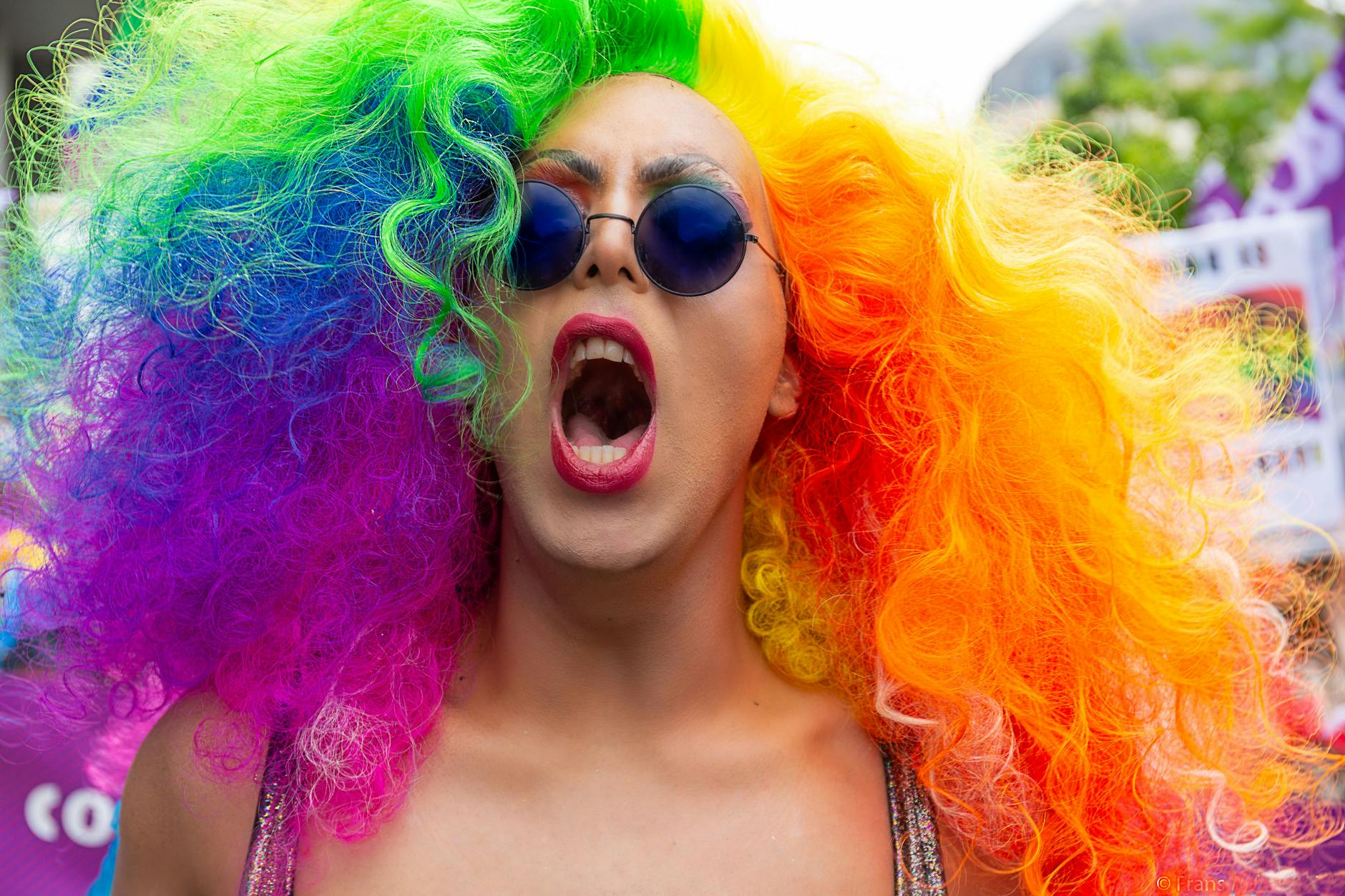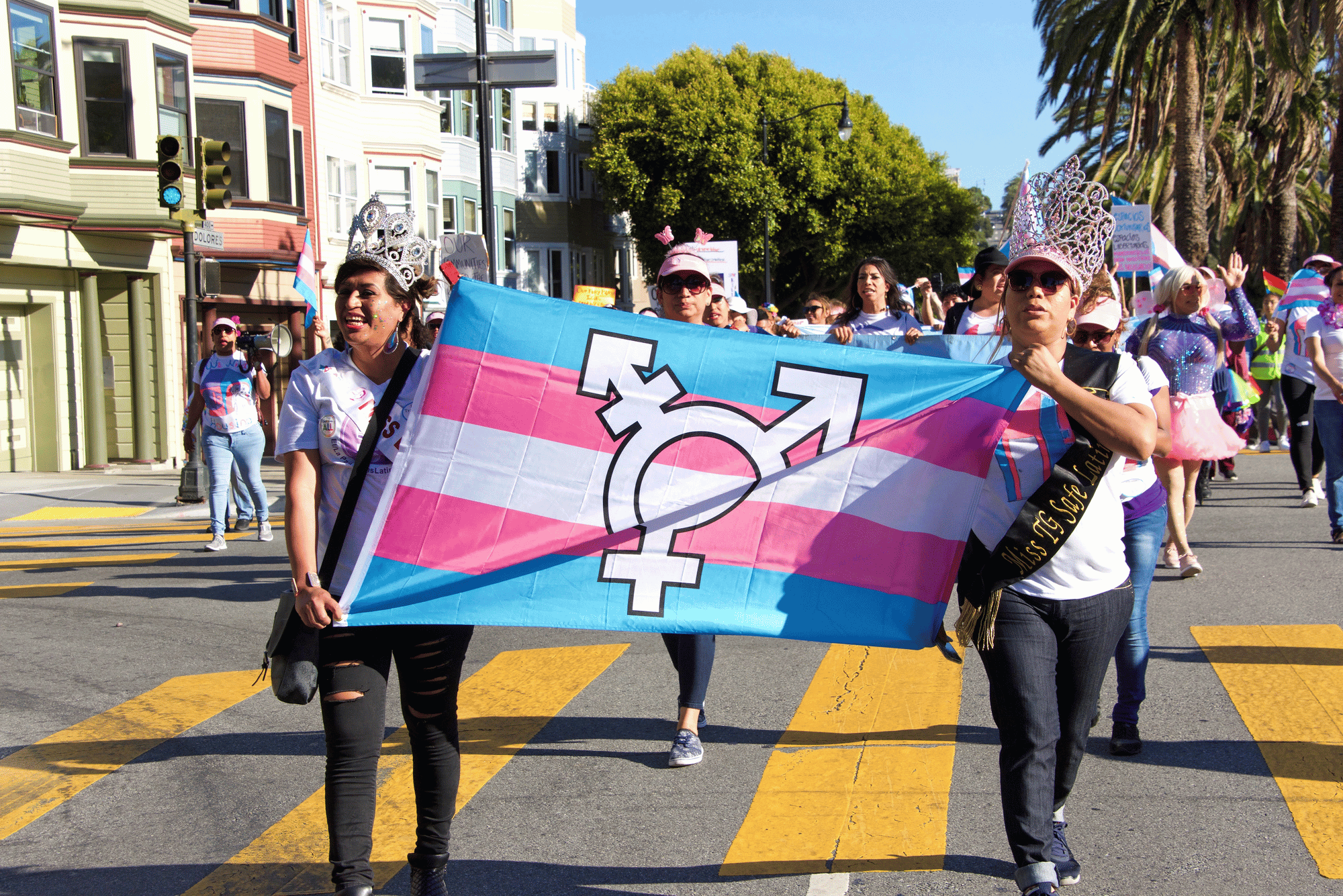
Search interest around Pride has changed. People are no longer asking only what Pride means or when local parades take place. More are asking a tougher question: why do some gay people dislike Pride parades at all?
The answer is not simple, and it is not the same for everyone. Some objections are about public sexual content. Some are about children at events. Some are about politics, corporate branding, or the feeling that Pride no longer reflects ordinary gay life. Others still strongly support Pride and see criticism as unfair or overblown.
If you want a clear, balanced explanation of the debate, this article breaks down the main reasons some gay people have become uncomfortable with Pride parades, where those concerns come from, and why the issue has become so divisive.
Table of Contents
- What Pride parades are supposed to represent
- Why some gay people feel disconnected from modern Pride
- Reason 1: Concerns about sexualized displays in public
- Reason 2: The debate over children at Pride events
- Reason 3: Some think Pride has become too focused on sex instead of dignity
- Reason 4: Pride can feel politically narrow or ideologically rigid
- Reason 5: Tensions around the broader LGBTQ umbrella
- Reason 6: Corporate Pride feels performative to many people
- Reason 7: Some believe Pride has drifted away from its strongest public case
- A key misconception: disliking Pride is not always internalized homophobia
- Counterargument: many still believe Pride matters exactly as it is
- How organizers could reduce the conflict
- If you are deciding whether Pride is right for you
- What this debate is really about
- FAQ
- Final takeaway
What Pride parades are supposed to represent
Pride events traditionally serve several purposes at once:
- Celebration of gay, lesbian, bisexual, transgender, and queer identity
- Visibility for people who were historically ignored or stigmatized
- Community through public gathering, culture, and solidarity
- Activism around legal rights, safety, and social acceptance
That mix is part of the tension. Pride is not just one thing. For some people, it is a civil rights event. For others, it is a party. For others, it is a family-friendly festival. For others, it is a space for sexual freedom and anti-conformity.
When one group expects a civic celebration and another expects an anything-goes street party, conflict is almost guaranteed.
Why some gay people feel disconnected from modern Pride
A recurring theme in criticism of Pride parades is simple: not every gay person feels represented by what Pride has become.
That does not automatically mean self-hatred or rejection of being gay. In many cases, the complaint is narrower. Some gay people support equal rights, same-sex marriage, and social acceptance, but feel alienated by behavior they see as overly sexual, politically extreme, or disconnected from everyday life.
Many describe a gap between:
- Wanting equal treatment
- Wanting privacy and normalcy
- Wanting legal stability for marriage and family life
- Not wanting to be publicly associated with every trend, slogan, or parade display under the Pride umbrella
That distinction matters. Criticism of Pride is often framed as criticism of gay people themselves. But for many critics, the issue is not sexual orientation. It is what is being publicly promoted in its name.
Reason 1: Concerns about sexualized displays in public
The most common complaint is that some Pride parades include levels of nudity, fetish expression, or sexually suggestive performance that critics believe are inappropriate for public streets.
This concern usually includes three separate points:
Public space has different norms than private venues
Many gay people who object to Pride are not objecting to nightlife, adult parties, or sexual expression in adult-only settings. Their concern is about time, place, and audience.
They may feel there is a major difference between:
- A club event for adults
- A ticketed afterparty
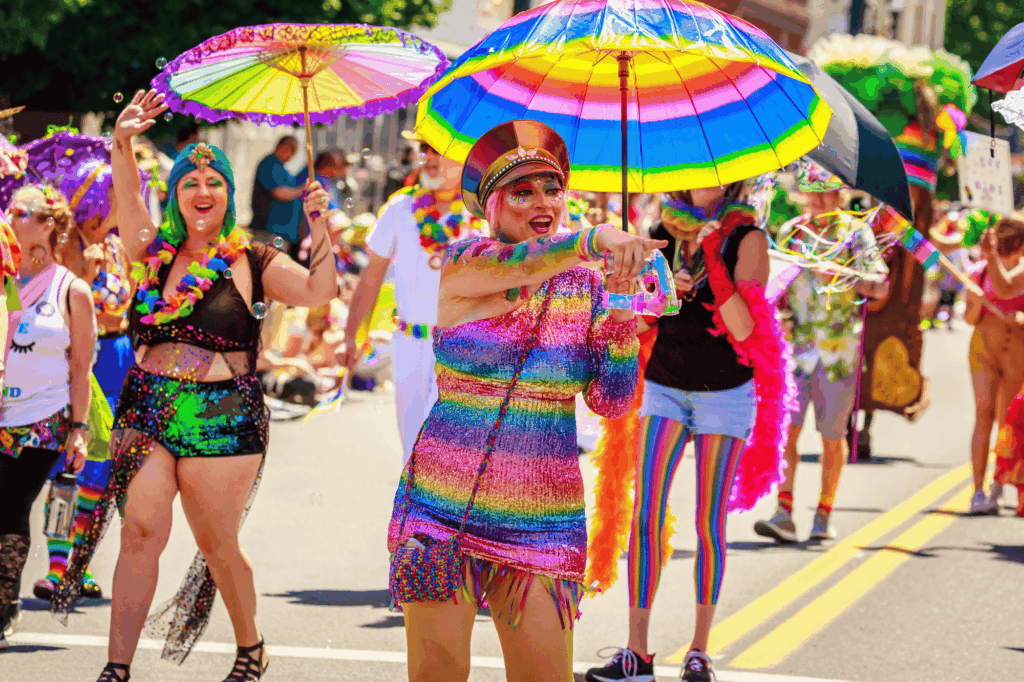
- A parade on a city street in broad daylight
In their view, what may be acceptable in an age-restricted venue should not automatically be treated as normal for a public civic event.
Optics affect how the broader public sees gay people
Some critics believe highly sexualized Pride imagery reinforces stereotypes that gay identity is mainly about sex, promiscuity, or shock value. They argue that this makes it harder for the public to see gay people as ordinary neighbors, parents, spouses, coworkers, and citizens.
Whether one agrees or not, that is a major reason some gay people reject modern parade culture. They worry that the loudest images crowd out everything else.
Decency standards should apply consistently
Another point often raised is consistency. Critics argue that if certain forms of public exposure or explicit behavior would be considered inappropriate in other settings, Pride should not be treated as exempt simply because it is politically protected or culturally celebrated.
Reason 2: The debate over children at Pride events
This is the most emotionally charged issue.
Some gay people are deeply uncomfortable with children attending Pride events that may contain revealing outfits, explicit performances, or overt sexual themes. Their position is not necessarily that all Pride events are inappropriate for families. It is that family-friendly and adult-oriented spaces should be clearly separated.
The concern usually sounds like this:
- Children should not be exposed to adult sexual expression in public
- If a Pride event expects families, organizers should set and enforce clearer standards
- The community should be careful not to create messages or imagery that appear fixated on kids
This issue becomes even more sensitive when public messaging around Pride centers heavily on children, youth programming, or parental explanations for sexually explicit content.
Some see that as inclusion and education. Others see it as a serious mistake that confuses support for gay rights with the normalization of adult material around minors.
That disagreement drives much of the backlash.
Reason 3: Some think Pride has become too focused on sex instead of dignity
Another criticism is not just about explicit visuals. It is about emphasis.
Some gay people argue that Pride increasingly presents LGBTQ identity through the lens of bedroom culture, kink aesthetics, or provocative branding rather than through love, commitment, resilience, friendship, history, and shared civil rights goals.
In that critique, the problem is not that sexuality exists. The problem is that sexuality becomes the main story.
People in this camp often ask questions like:
- Why does so much Pride merchandise lean into sexual innuendo?
- Why do some performances seem designed more for provocation than community?
- Why is the public face of Pride so often the most extreme version of queer culture instead of the broad middle?
They are not saying gay life has no sexual dimension. They are saying gay communities have much more depth than that, and Pride does not always reflect it.
Reason 4: Pride can feel politically narrow or ideologically rigid
Some gay people dislike Pride because they see it as politically exclusive.
Although Pride messaging often emphasizes inclusion, critics argue that inclusion can disappear quickly when someone holds the wrong political view. In this framing, a person may be accepted as gay only if they also align with a broader progressive political package.
That can create resentment among gay people who:
- Are politically moderate or conservative
- Support gay rights but disagree with activist organizations on other issues
- Feel social pressure to repeat approved language and positions
For them, Pride stops feeling like a celebration of identity and starts feeling like an ideological loyalty test.
Reason 5: Tensions around the broader LGBTQ umbrella
Another major source of disagreement is the feeling that the interests of gay men and lesbians are now routinely merged with a much wider set of causes, identities, and policy fights.
Some critics argue that this shift has changed what Pride stands for in practice. They may support core gay and lesbian rights but feel uncomfortable with every issue being bundled together under one banner.
This tension often appears around:
- Youth services and minors
- Gender identity policy debates
- Drag programming involving children
- Medical and school-related controversies
For some, Pride no longer feels like a focused celebration of same-sex equality. It feels like a constantly expanding political coalition with goals they did not sign up for.
That does not mean all gay people share this view. It does explain why some no longer feel at home in LGBT organizations or parade culture.
If you are trying to understand broader gender identity conversations from a transmasculine perspective, resources such as this guide to understanding gender identity can add useful context beyond the parade debate itself.
Reason 6: Corporate Pride feels performative to many people
Corporate Pride is another frequent complaint.
Each June, many companies switch branding to rainbow-themed campaigns, release limited Pride merchandise, and post messages of support. Critics often see this as shallow, temporary, and profit-driven.
The main frustrations are:
- Seasonal branding without long-term commitment
- Merchandising that turns identity into a sales opportunity
- Selective advocacy that appears only in politically safe markets
This criticism is not limited to people who dislike Pride. Even many who support LGBTQ rights are skeptical of rainbow capitalism. They question whether corporate campaigns are about solidarity or simply audience targeting.
For readers wanting to explore a wider range of transmasculine topics outside headline-driven culture war debates, the broader FTM blog article library may be more useful than activist branding or seasonal campaigns.
Reason 7: Some believe Pride has drifted away from its strongest public case
One of the most strategic criticisms is that Pride was most persuasive when it centered on a clear, relatable message:
- Adults should be free to love who they love
- Gay couples should have equal legal rights
- People should not be harassed or denied dignity because of sexual orientation
Critics say that when Pride shifts from that message toward spectacle, sexually explicit imagery, or highly contested issues involving minors, it loses public support it once had.
This argument is not only moral. It is tactical. The claim is that cultural overreach can create backlash and make it harder to defend the most broadly supported gay rights positions.
Supporters of Pride often answer that opponents would object no matter what. Critics counter that public presentation still matters, and that bad judgment can hand ammunition to people already looking for reasons to oppose the community.
A key misconception: disliking Pride is not always internalized homophobia
A common response to Pride criticism is to say the critic is ashamed of being gay.
Sometimes that may be true. But it is not safe to assume.
Some gay people object to Pride because they:
- Want stronger public decency standards
- Do not want children around explicit content
- Feel alienated by activist messaging
- Think political and corporate interests have distorted the event
- Prefer a quieter, less performative model of gay visibility
Those arguments may be right or wrong, but they are not automatically evidence of self-hatred. Treating every criticism as pathology often shuts down the conversation instead of clarifying it.
Counterargument: many still believe Pride matters exactly as it is
Any honest explanation should include the opposite side.
Many gay people still love Pride parades and reject most of the criticisms above. Their arguments usually include:
- Pride has always included flamboyance, resistance, and rule-breaking
- Public discomfort is not the same as actual harm
- Queer people should not have to make themselves palatable to deserve rights
- Extreme examples are often used to smear the whole community
- Visibility, joy, and bold self-expression are part of Pride’s purpose
That perspective matters because it shows the debate is not simply between “gay people” and “anti-gay people.” It often happens within the community itself, with very different beliefs about strategy, respectability, freedom, and public boundaries.
How organizers could reduce the conflict
Whether one loves Pride or dislikes it, there are practical ways to reduce the tension.
1. Separate family events from adult-oriented programming
If organizers want families to attend, they can create clearly labeled daytime events with standards appropriate for public all-ages spaces. Adult nightlife and sexually explicit performance can be scheduled elsewhere.
2. Use clearer event descriptions
Many disputes happen because expectations are vague. Transparent descriptions about what a parade or festival includes can help parents and attendees make informed choices.
3. Enforce consistent public conduct rules
If the event is on a public street, consistent standards can reduce accusations of double standards and improve trust.
4. Make room for ideological diversity
Pride spaces often say everyone is welcome. If that is the goal, there should be room for disagreement without immediate social excommunication.
5. Rebalance the message
Community, history, relationships, safety, and civil equality can coexist with celebration. But if one tone dominates everything, people who feel unseen will continue to drift away.
If you are deciding whether Pride is right for you
People searching this topic are often trying to make a personal decision, not just understand a controversy.
A useful way to think about it is to ask:
- What kind of event is this actually? Parade, protest, family festival, nightlife crawl, or political rally?
- Who is it designed for? Adults, families, activists, or everyone at once?
- What are my boundaries? Public sexual content, politics, crowds, branding, children’s spaces?
- Do I feel represented here? Or do I feel used as part of a larger message I do not share?
It is possible to support gay rights and still skip Pride. It is also possible to love Pride and reject the idea that it must be toned down. The debate is real because the community itself is not monolithic.
What this debate is really about
At its core, the disagreement is about representation.
Who gets to define what Pride means?
Is Pride mainly about civil rights and public legitimacy? Is it about liberation from respectability politics? Is it a family event, an adult event, or both? Should the movement aim to reassure the mainstream or challenge it?
Different answers to those questions produce very different versions of Pride.
That is why the conversation has become so intense. It is not just about parades. It is about the public image, future direction, and internal boundaries of the broader LGBTQ movement.
For readers looking for practical support rather than public controversy, a curated set of transmasculine resources and support options may be more helpful than the political noise around Pride season.
FAQ
Why do some gay people dislike Pride parades?
Common reasons include concern about sexualized public displays, discomfort with children being present at some events, frustration with political messaging, skepticism toward corporate Pride campaigns, and the feeling that Pride no longer represents ordinary gay life.
Is disliking Pride the same as being anti-gay?
No. Some people who criticize Pride strongly support same-sex relationships, marriage equality, and equal treatment under the law. Their objections are often about event culture, public messaging, or specific activist priorities rather than opposition to gay people.
Are Pride parades family friendly?
It depends on the event. Some Pride celebrations are designed to be family-oriented, while others include adult themes, revealing clothing, or performances that some parents may find inappropriate for children. Checking local event details is important.
Why is corporate Pride controversial?
Many people believe corporate Pride is performative. Companies may use rainbow branding during June for marketing value without showing consistent support year-round or in places where such support would carry greater risk.
Do all gay people support Pride parades?
No. Gay people hold a wide range of views on Pride, politics, public expression, religion, family life, and activism. There is no single gay perspective on what Pride should look like.
Can someone support LGBTQ rights and still avoid Pride events?
Yes. Many people support equal rights but choose not to attend Pride because of crowds, politics, explicit content, or a general sense of disconnect from the event culture.
Final takeaway
Some gay people do not like Pride parades because they believe the events have become too sexual, too political, too performative, or too far removed from the simple goal of equal treatment. Others see those same events as joyful, necessary, and true to Pride’s roots.
The important point is this: there is no single, unified gay opinion on Pride.
Anyone trying to understand the issue should resist the lazy assumption that all criticism comes from bigotry, or that all support comes from blind ideology. The reality is messier. It involves real disagreements about public decency, children, politics, activism, identity, and what genuine representation should look like.
That complexity is exactly why the question keeps coming up and why it is worth answering carefully.